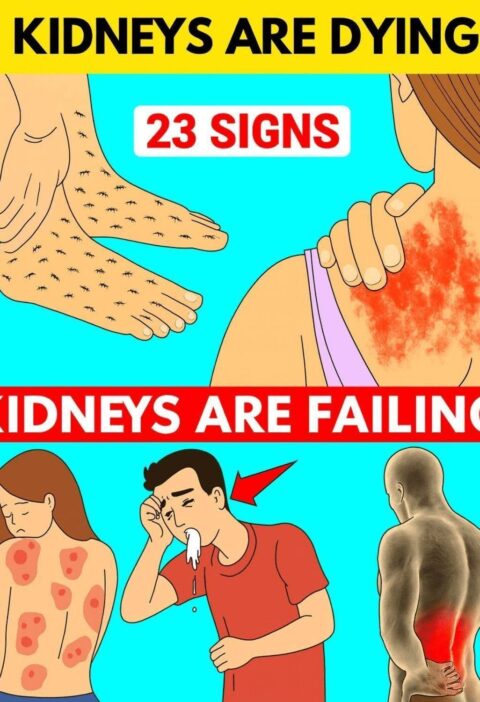
That headline is clickbait-style and a bit misleading. Doctors do not recommend that most people “immediately stop vitamin D” just because of a few symptoms. What they do warn about is vitamin D toxicity, which is rare and usually happens only with very high-dose supplements taken for a long time.
When vitamin D can become a problem
Excess vitamin D can lead to high calcium levels in the blood (hypercalcemia). That’s what causes symptoms.
Common warning signs include:
1. Persistent nausea or vomiting
Too much calcium can irritate the digestive system.
2. Extreme thirst and frequent urination
Your kidneys try to flush out excess calcium.
3. Weakness, fatigue, or confusion
High calcium can affect muscles and the nervous system.
4. Kidney-related symptoms (pain or stones)
Long-term excess calcium can strain the kidneys.
Important context
- Normal vitamin D doses (like 600–2000 IU/day for most adults) are generally safe.
- Toxicity usually happens with very high intakes (e.g., 10,000+ IU daily for weeks/months without supervision).
- These symptoms are not specific to vitamin D alone—they can come from many conditions.
What you should actually do
If someone has these symptoms and is taking vitamin D:
- Don’t panic-stop supplements blindly
- Check blood calcium and vitamin D levels with a doctor
- Review dosage (many cases are simply overdosing supplements unknowingly)
The supplement itself is still important for bone health and immune function when used correctly, especially for people who are deficient in Vitamin D.
If you want, I can help you figure out whether your dose is in a safe range or interpret a vitamin D blood test.