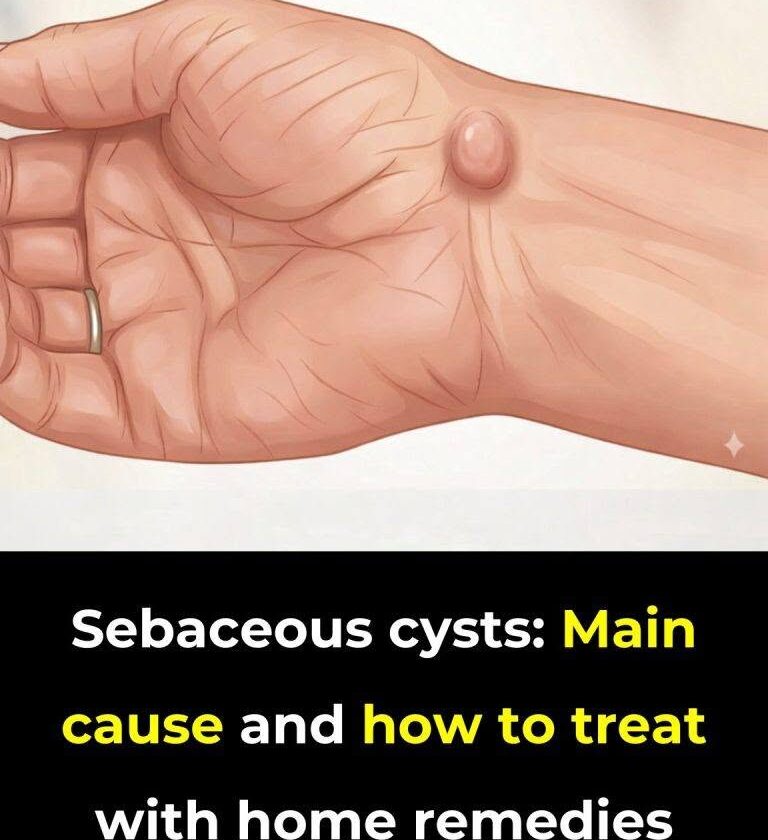
A sebaceous cyst (more accurately called an epidermoid cyst) is a slow-growing, non-cancerous lump under the skin filled with keratin (a protein found in skin and hair).
🧬 What causes sebaceous (epidermoid) cysts?
They usually form when skin cells get trapped under the skin instead of shedding normally. Common triggers include:
- 🧴 Blocked hair follicles or pores
- 🧪 Skin trauma (cuts, acne, or irritation)
- 🧬 Genetic tendency (some people are more prone)
- 💦 Excess oil production or skin buildup
- 🦠 Occasionally infection or inflammation in a hair follicle
👉 Important: They are not caused by poor hygiene.
👀 What they look/feel like
- Round, smooth lump under the skin
- Slow growing
- Often movable
- May have a small dark “punctum” (tiny opening)
- Usually painless unless inflamed
🏠 Home care / what you can do safely
There is no true home “cure,” but you can manage symptoms:
✔️ Warm compress
- Apply warm cloth 10–15 minutes, 2–3 times daily
- Helps reduce discomfort and may encourage drainage if it opens naturally
✔️ Keep it clean
- Wash gently with soap and water
- Avoid squeezing or picking
✔️ Reduce irritation
- Avoid tight clothing or friction over the cyst
⚠️ What NOT to do
- ❌ Don’t squeeze or pop it (can cause infection or scarring)
- ❌ Don’t try to cut it open at home
- ❌ Don’t rely on “popping videos” online
🚨 When to see a doctor
Seek medical advice if:
- It becomes red, painful, or warm
- It rapidly grows
- It starts draining pus or foul-smelling material
- It keeps coming back
- It’s in a sensitive area or causing discomfort
🏥 Medical treatment options
If needed, doctors may:
- Drain it (short-term relief)
- Remove it surgically (best way to prevent recurrence)
- Treat infection with antibiotics if inflamed
🧠 Bottom line
Sebaceous/epidermoid cysts are common, usually harmless, and slow-growing, but they should not be squeezed at home. Warm compresses and hygiene help symptoms, while removal is the only permanent solution.
If you want, I can also explain how to tell the difference between a cyst, a boil, and a lipoma—they often get confused.