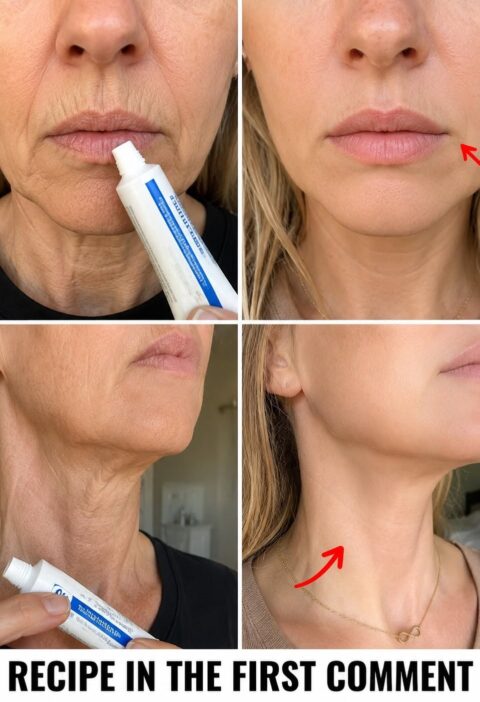
Baking soda on the face (sodium bicarbonate) is a popular DIY skincare idea, but it’s one of those remedies that can do more harm than good if used incorrectly.
Here’s a clear breakdown of the real benefits, risks, and safe alternatives.
🧴 Potential (limited) benefits
Some people use baking soda for:
1. Gentle exfoliation (short-term)
- Can help remove dead skin cells
- Leaves skin feeling “smooth” temporarily
2. Oil reduction
- Slightly absorbs surface oil
- May reduce shine briefly
3. Occasional spot treatment (not recommended routinely)
- Mild alkaline effect may temporarily dry out pimples
⚠️ Major risks (important)
Dermatologists generally do not recommend using baking soda on the face because:
1. Disrupts skin pH
Healthy skin is slightly acidic (~pH 4.5–5.5). Baking soda is strongly alkaline (~pH 9).
This can:
- Weaken your skin barrier
- Cause dryness, irritation, and sensitivity
- Make acne worse over time
2. Can cause irritation or burns
- Redness, stinging, peeling
- Especially risky for sensitive skin
3. Damages long-term skin health
Repeated use can:
- Strip natural oils
- Increase breakouts
- Make skin more reactive to products and sun
4. Not suitable for all skin conditions
Avoid if you have:
- Acne-prone skin
- Eczema or rosacea
- Dry or sensitive skin
🧼 If someone still insists on using it (safer approach)
Not generally recommended, but harm reduction:
- Mix very small amount with water (never use dry powder directly)
- Apply gently for less than 1 minute
- Rinse thoroughly
- Use only occasionally (not daily)
Stop immediately if irritation occurs.
👍 Better alternatives (recommended)
Instead of baking soda, dermatologists suggest:
- Salicylic acid (BHA) → acne and clogged pores
- Glycolic acid (AHA) → gentle exfoliation
- Niacinamide → oil control and soothing
- Clay masks → oil absorption without pH damage