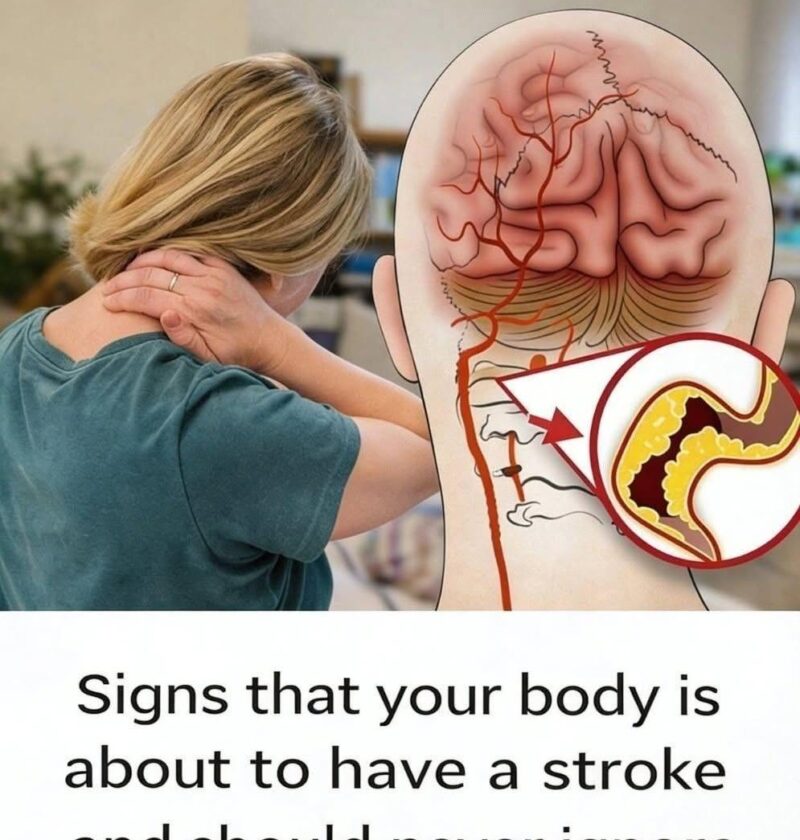
10 Possible Warning Signs of a Stroke
1. Sudden Numbness or Weakness
Especially on one side of the body, affecting the face, arm, or leg.
2. Facial Drooping
One side of the face may sag or feel numb. The smile may appear uneven.
3. Difficulty Speaking
Speech may become slurred, or the person may have trouble finding words or understanding others.
4. Vision Changes
Sudden blurred vision, double vision, or loss of vision in one or both eyes.
5. Severe Headache
A sudden, intense headache with no obvious cause, particularly if it’s unlike previous headaches.
6. Dizziness or Loss of Balance
Trouble walking, poor coordination, or unexplained falls.
7. Sudden Confusion
Difficulty understanding conversations or following simple instructions.
8. Arm Weakness
Difficulty lifting one arm or keeping it raised.
9. Brief Symptoms That Go Away
A temporary episode of stroke-like symptoms may be a Transient Ischemic Attack (TIA), which requires urgent medical evaluation because it can precede a major stroke.
10. Difficulty Swallowing
Some strokes can affect the muscles involved in swallowing, causing choking or coughing while eating or drinking.
Remember FAST
A simple way to recognize common stroke symptoms:
- Face: Does one side droop?
- Arms: Is one arm weak or drifting downward?
- Speech: Is speech slurred or unusual?
- Time: Call emergency services immediately.
Risk Factors
Stroke risk is higher in people with:
- High blood pressure
- Smoking
- Diabetes
- High cholesterol
- Obesity
- Heart disease
- Advanced age
Seek Emergency Help Immediately
If you or someone else develops sudden stroke symptoms—even if they improve or disappear—treat it as a medical emergency. Rapid treatment can significantly improve outcomes and reduce the risk of permanent disability.
This information is educational and not a substitute for professional medical advice or emergency care.