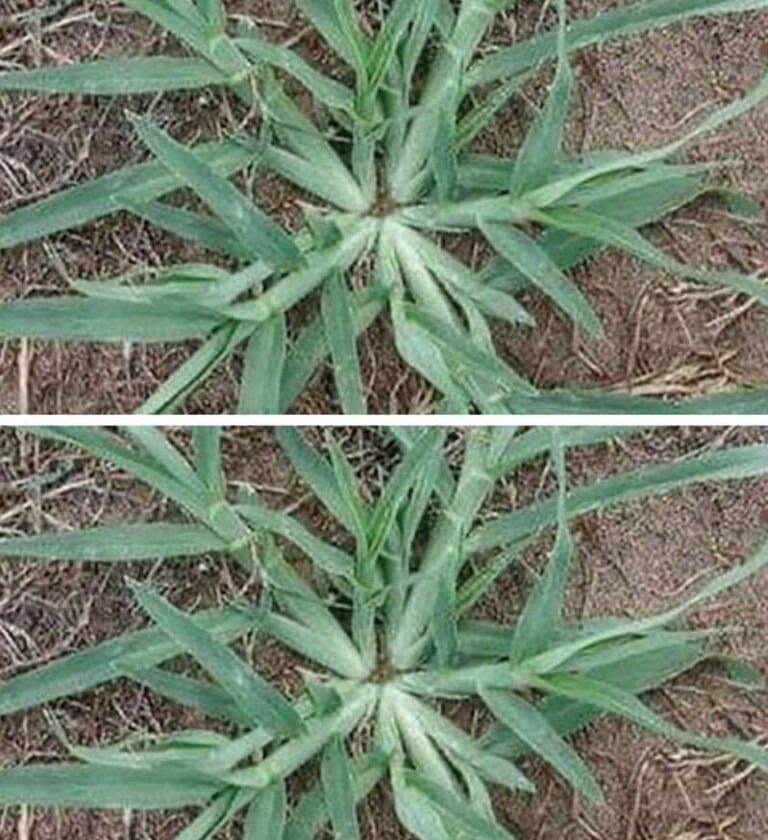
That’s another common clickbait-style claim. There is no single plant that you should “never uproot” in all cases—whether a plant is useful, edible, or harmful depends entirely on the species and context.
These headlines usually refer to one of a few common “surprise beneficial weeds,” such as:
- Plantain (Plantago major): often called a weed, but traditionally used in folk remedies for minor skin irritation and insect bites.
- Dandelion (Taraxacum officinale): edible leaves and roots; sometimes used in herbal teas.
- Purslane (Portulaca oleracea): edible, nutritious leafy plant rich in omega-3s.
But here’s the important part:
Why the claim is misleading
- Some “wild plants” are useful only in certain forms or doses, and not magical cures.
- Many look-alike plants can be irritating or toxic.
- A plant being “edible” or “medicinal” doesn’t mean it should be left to grow everywhere in your garden—it depends on your needs and local environment.
Practical approach for your garden
Instead of “never uproot,” a better rule is:
- Learn to identify the plant first
- Decide whether it is:
- beneficial (pollinators, edible greens)
- harmless weed
- invasive or damaging
If you want, you can send a photo or describe the plant (leaf shape, flower, size), and I can help you identify whether it’s actually useful or just another overhyped “miracle weed.”