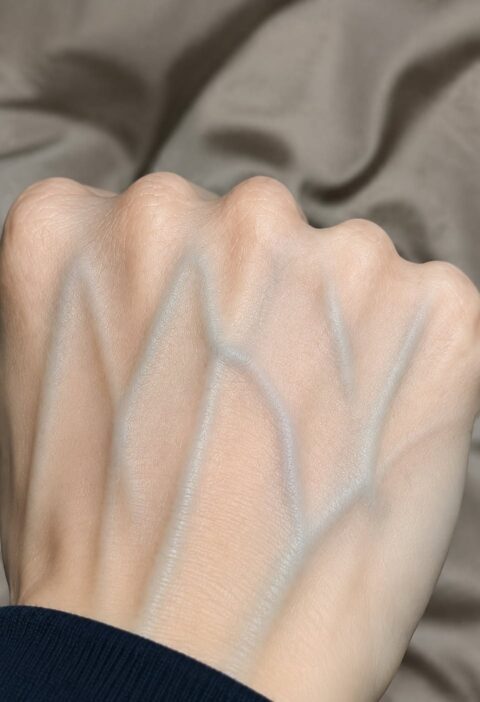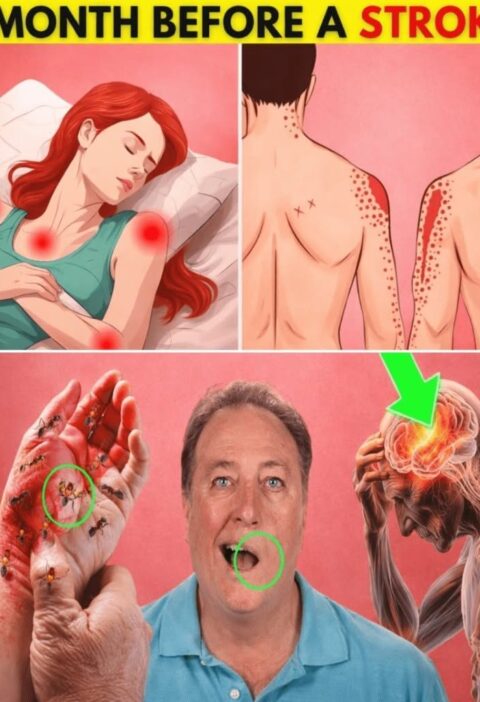
That kind of headline is again sensationalized and oversimplified. There is no fixed set of “4 signs” that reliably means someone is in their final hours, because end-of-life changes vary widely between individuals and depend on the illness involved.
However, in people who are actively dying (days to hours), healthcare professionals often observe some common patterns.
Common signs seen near the final stage of life
1. Changes in breathing
- Irregular breathing patterns (pauses, shallow breaths)
- “Cheyne–Stokes” breathing (cycles of deep and shallow breathing)
- Noisy breathing due to secretions (“death rattle”)
2. Extreme fatigue and reduced consciousness
- Sleeping most or all of the time
- Difficulty waking or responding
- Gradual loss of awareness of surroundings
3. Reduced intake and swallowing difficulty
- Little or no interest in food or water
- Trouble swallowing safely
- Dry mouth is common
4. Circulation changes
- Cold hands and feet
- Mottled or bluish skin (especially on legs and arms)
- Weak or irregular pulse
Other possible signs
- Confusion or restlessness (sometimes called terminal agitation)
- Decreased urine output
- Withdrawal from interaction
- Changes in facial expression or muscle tone
Important reality check
- These signs do not always mean death is imminent within hours
- They can appear over days or even longer, depending on the condition
- Some can improve temporarily depending on care and medical treatment
When to involve medical care
If someone is elderly or seriously ill and shows these changes, it’s important to:
- Contact a doctor or palliative care team
- Ensure comfort-focused care
- Avoid assuming exact timing
Bottom line
There is no universal “4-sign checklist” that predicts the exact final hours. End-of-life is a gradual, variable process, and the best approach is comfort care and medical guidance, not viral symptom lists.
If you want, I can explain how families can recognize the difference between days, weeks, or hours in a more realistic way used in palliative care.