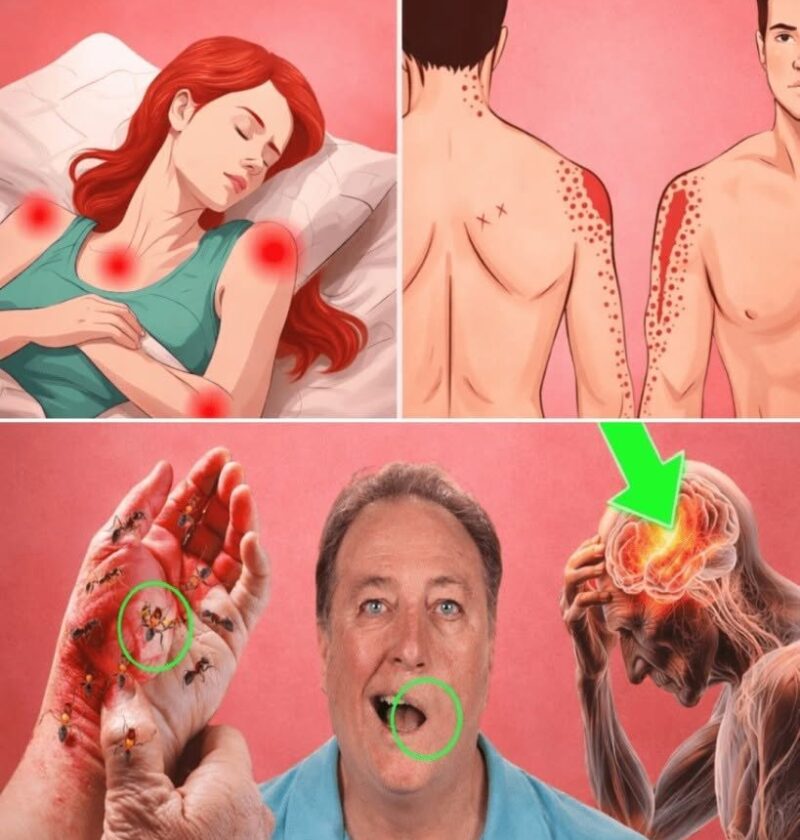
9 Early Signs of Stroke That Can Appear a Week Before: What Seniors Need to Know
A stroke often occurs suddenly, but some people experience warning symptoms in the days or weeks beforehand. These symptoms may be caused by a Transient Ischemic Attack (TIA)—a temporary interruption of blood flow to the brain that can signal an increased risk of a future stroke.
While not everyone has advance warning, recognizing potential early signs can help seniors and their families seek medical attention before a major stroke occurs.
1. Brief Episodes of Weakness
Sudden weakness in an arm, leg, or one side of the body that resolves within minutes or hours should never be ignored, even if normal strength returns.
2. Temporary Numbness or Tingling
Unexplained numbness, especially on one side of the face, arm, or leg, may indicate a temporary disruption of blood flow to the brain.
3. Short-Lived Speech Problems
Difficulty speaking, slurred speech, or trouble finding words that comes and goes can be an important warning sign.
4. Sudden Vision Changes
Temporary vision loss, blurred vision, or double vision may occur before a stroke. Some people describe it as a curtain briefly coming over one eye.
5. Episodes of Dizziness
Unexpected dizziness, particularly when accompanied by balance problems or other neurological symptoms, warrants prompt medical evaluation.
6. Loss of Balance or Coordination
Frequent stumbling, difficulty walking, or unexplained coordination problems may signal a neurological issue that requires attention.
7. Sudden Confusion
Brief periods of confusion, difficulty understanding conversations, or trouble concentrating can sometimes precede a stroke.
8. Severe Headaches
A sudden, unusual headache—especially if it is different from previous headaches—can be associated with certain types of stroke and other serious conditions.
9. Repeated “Mini-Stroke” Symptoms
Some people experience multiple episodes of temporary stroke-like symptoms over several days. These recurring episodes should be considered a medical emergency.
Important Considerations for Seniors
Older adults may be at higher risk of stroke, particularly if they have:
- High blood pressure
- Diabetes
- High cholesterol
- Smoking history
- Heart disease
- Irregular heart rhythm such as Atrial Fibrillation
- Previous stroke or TIA
When to Seek Medical Attention
If any of the following occur, seek emergency care immediately:
- Facial drooping
- Arm weakness
- Speech difficulties
- Sudden vision changes
- Severe dizziness or loss of balance
- Sudden confusion
Even if symptoms disappear quickly, prompt evaluation is important because TIAs can be a warning that a major stroke may follow.
A Note on “Early Signs”
Research shows that some people experience TIAs or other warning symptoms before a stroke, but there is no reliable list of symptoms that consistently appears exactly one week beforehand. Any sudden neurological symptom—whether it occurs minutes, days, or weeks before a stroke—should be taken seriously and evaluated by a healthcare professional.
If you or someone else is experiencing stroke symptoms right now, call eme