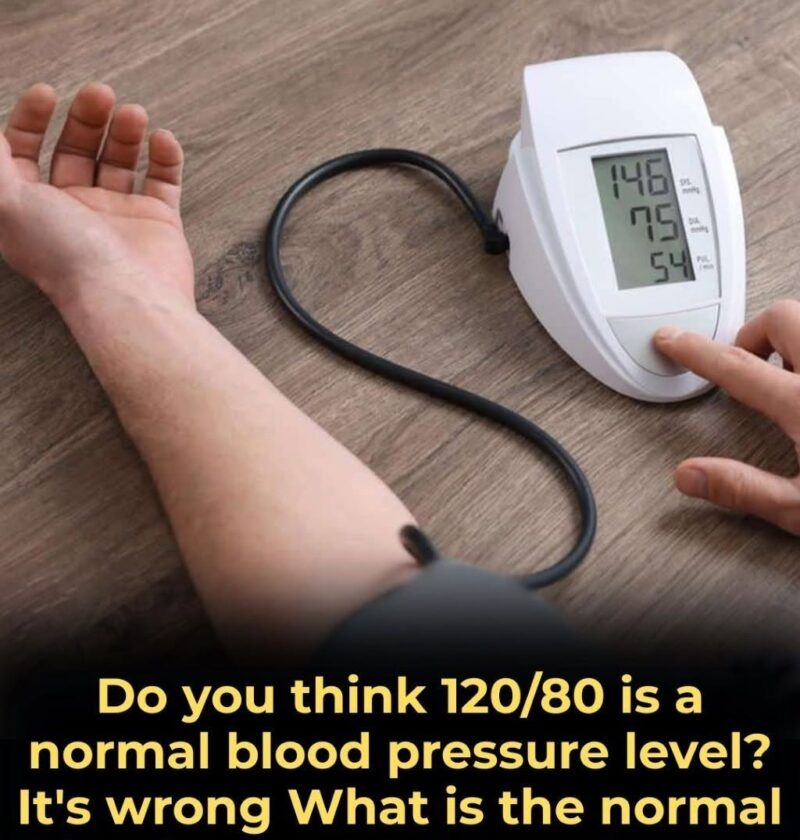
Blood pressure doesn’t have a completely different “normal” for every age. Modern medical guidelines mostly use the same healthy target for adults, with some differences for children and a few adjustments in older adults.
Here’s a clear, practical breakdown:
🧒 Children (1–12 years)
Normal varies by age, sex, and height (not one fixed number), but roughly:
- 1–5 years: ~90–105 / 55–70 mmHg
- 6–12 years: ~95–110 / 60–75 mmHg
Doctors usually use percentile charts, not a single cutoff.
🧑 Teenagers (13–17 years)
- Around 110–120 / 65–80 mmHg
- Similar to adult values by late teens
🧑 Adults (18–59 years)
- Normal: below 120/80 mmHg
- Elevated: 120–129 / <80
- High blood pressure (Hypertension): 130/80 or higher
(defined by Hypertension guidelines)
👴 Older adults (60+ years)
- Many healthy older adults: 120–130 / 70–80 mmHg
- Doctors often still aim for below 130/80 if tolerated
- Mildly higher systolic readings can be more common with age due to stiffer arteries
⚠️ Important modern medical point
There is no “safe high blood pressure just because of age.” Risk of stroke and heart disease increases as blood pressure rises at any age.
🚨 When blood pressure is dangerous
- Low BP: below ~90/60 (if symptoms like dizziness occur)
- High BP emergency: 180/120 or higher
🧠 Simple takeaway
- Ideal for most people: around 120/80
- Children: lower and age-adjusted
- Older adults: slightly higher is common, but targets remain similar
If you want, I can also give you a simple chart showing symptoms of low vs high blood pressure, which helps people recognize problems quickly.