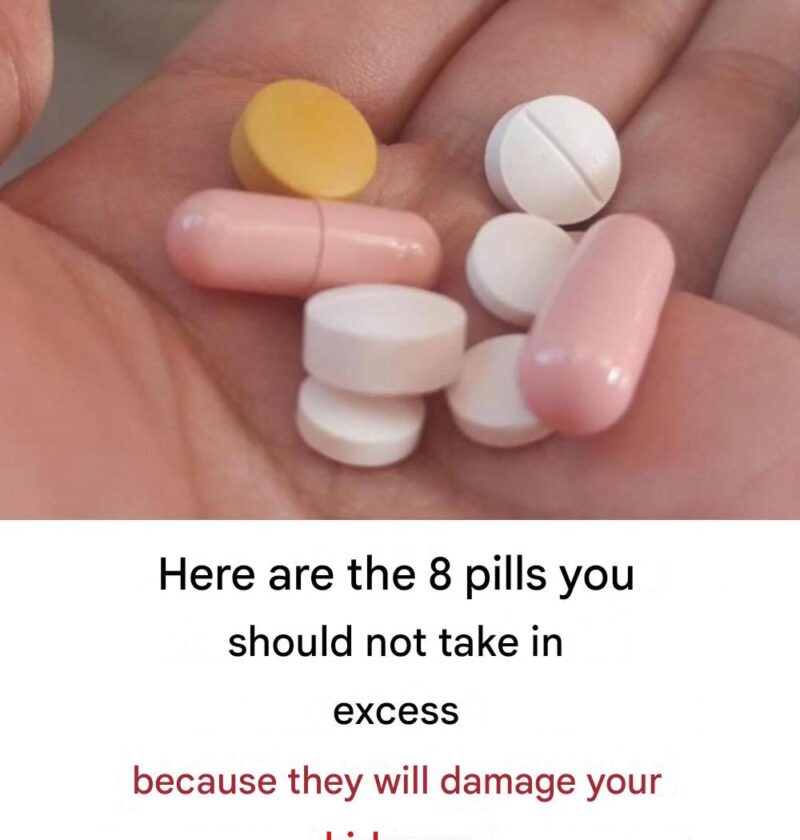
There isn’t a universally safe “never take these 8 pills” list, because kidney risk depends on dose, duration, health conditions, hydration, and other medicines. But there are well-known medications and drug classes that can damage the kidneys, especially when overused or used in high-risk people (older adults, dehydration, diabetes, high blood pressure, existing kidney disease).
Here are 8 common types of pills/medications linked to kidney damage risk:
1) Painkillers (NSAIDs)
Examples: Ibuprofen, Naproxen, Diclofenac
- One of the most common causes of medication-related kidney injury
- Risk increases with dehydration, long-term use, or high doses
2) High-dose Aspirin (long-term use)
- Low-dose aspirin for heart protection is usually safe under medical advice
- High doses or chronic use can stress kidneys
3) Certain Antibiotics
Examples: Gentamicin, Amikacin, Vancomycin
- Powerful antibiotics used for serious infections
- Can directly damage kidney tubules if not carefully monitored
4) Proton Pump Inhibitors (PPIs)
Examples: Omeprazole, Esomeprazole, Pantoprazole
- Common acid reflux drugs
- Long-term use has been linked to chronic kidney disease in some studies
5) Diuretics (“water pills”)
Examples: Furosemide, Hydrochlorothiazide
- Used for blood pressure and fluid retention
- Can cause dehydration → reduced kidney function if not balanced properly
6) Certain Blood Pressure Drugs (ACE inhibitors / ARBs)
Examples: Lisinopril, Enalapril, Losartan
- Usually kidney-protective in the long run, BUT
- Can worsen kidney function in dehydration or existing kidney artery problems
7) Contrast dyes (used in scans)
- Not a pill, but sometimes given with imaging tests
- Can cause contrast-induced nephropathy, especially in kidney disease patients
8) Some antiviral or chemotherapy drugs
Examples: Acyclovir (high doses), Cisplatin
- Can be toxic to kidneys without hydration and monitoring
Important reality check
- These medicines are not “forbidden”—many are essential and safe when properly used.
- Kidney damage usually happens from:
- High doses
- Long-term use
- Mixing multiple risky drugs
- Dehydration or existing kidney disease
When to be extra careful
You should be cautious and consult a doctor before using these if you have:
- Diabetes
- High blood pressure
- Existing kidney problems
- Frequent dehydration (heat, diarrhea, vomiting)
If you want, I can also give you a safe painkiller guide (what to use instead of ibuprofen for kidneys) or signs of early kidney damage to watch for.