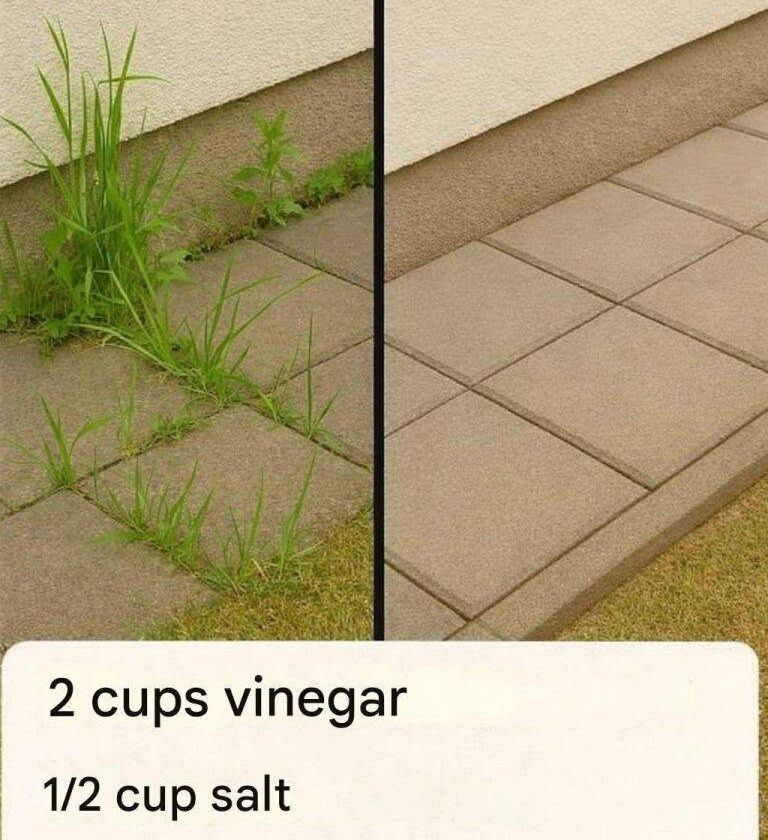
If you’re looking for a homemade herbicide to control weeds in a garden or driveway, there are a few common options, but it’s important to understand their limitations and risks.
Simple Homemade Weed Killer
A commonly used mixture is:
- White vinegar
- A small amount of dish soap
The vinegar can damage exposed plant tissue, and the soap helps the solution stick to leaves.
How to use it:
- Mix white vinegar with a few drops of dish soap.
- Spray directly onto the leaves of unwanted weeds on a dry, sunny day.
- Avoid spraying desirable plants, as the mixture can damage them too.
What to Expect
- It works best on young, small weeds.
- It typically burns the leaves rather than killing deep roots.
- Perennial weeds often regrow and require repeated treatment.
Safer Non-Chemical Alternatives
- Hand-pulling weeds (especially after rain)
- Mulching to block sunlight
- Hoeing or cultivating young weeds
- Boiling water for weeds in cracks of driveways or sidewalks (avoid areas near desirable plants)
Important Notes
- “Natural” does not mean harmless. Vinegar-based sprays can injure nearby plants and affect soil if overused.
- Avoid applying homemade herbicides near water sources or where runoff could affect other vegetation.
- Follow any local regulations regarding weed control products.
If you tell me where the weeds are growing (lawn, vegetable garden, gravel driveway, patio cracks, etc.), I can suggest the most effective and least damaging approach for that situation.