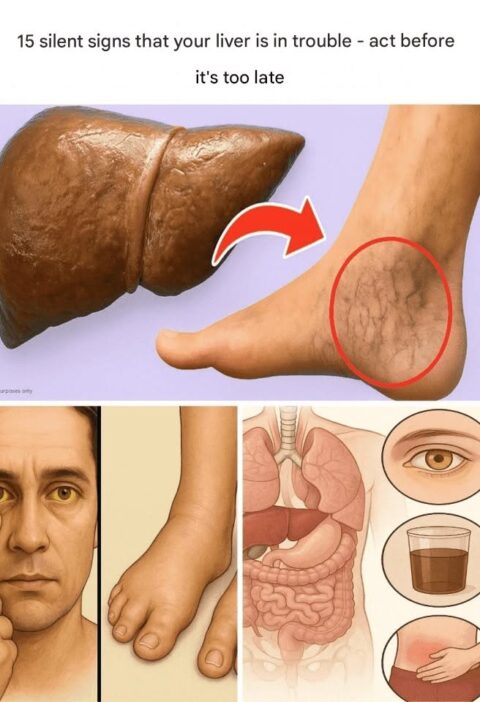
Swollen feet and ankles can be a known side effect if you’re taking Amlodipine, but it’s not something to ignore—especially if it’s new, worsening, or uncomfortable.
Why amlodipine can cause swelling
Amlodipine relaxes blood vessels to lower blood pressure. In some people, this can cause fluid to pool in the lower legs, leading to peripheral edema (swelling in feet/ankles).
When it may be a common side effect
Mild swelling is more likely to be medication-related if:
- It appears after starting or increasing the dose
- It’s in both ankles/feet equally
- It’s worse at the end of the day and improves with leg elevation
🚩 When to call your doctor (important)
Don’t wait if you notice:
- Sudden or rapidly worsening swelling
- Swelling with shortness of breath, chest pain, or fatigue
- Swelling in only one leg (could suggest a clot or another issue)
- Pain, redness, or warmth in the swollen area
- Swelling that becomes tight, painful, or limits walking
Why it matters
Not all swelling from amlodipine is harmless. Sometimes it means:
- The dose is too high
- The medication needs adjustment or combination therapy
- Or another condition (heart, kidney, or vein issues) is contributing
What doctors may do
They might:
- Adjust the dose
- Switch to another blood pressure medication
- Add a second medicine that reduces swelling
- Check heart, kidney, or vein function if needed
If you want, I can also tell you simple ways to reduce amlodipine-related swelling at home or how to tell it apart from heart-related edema.