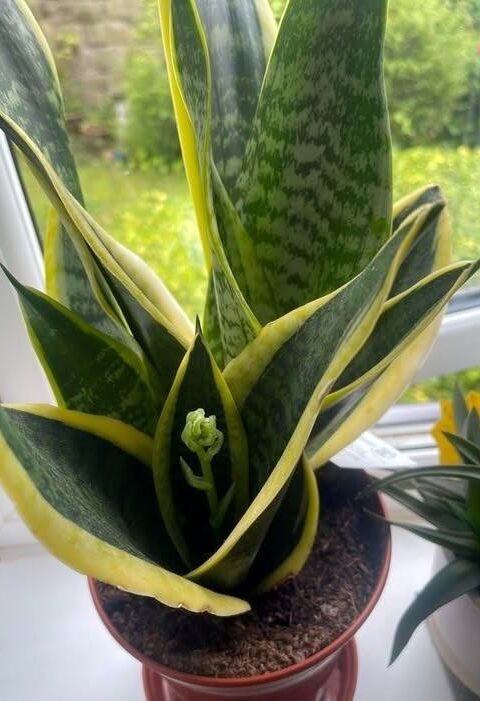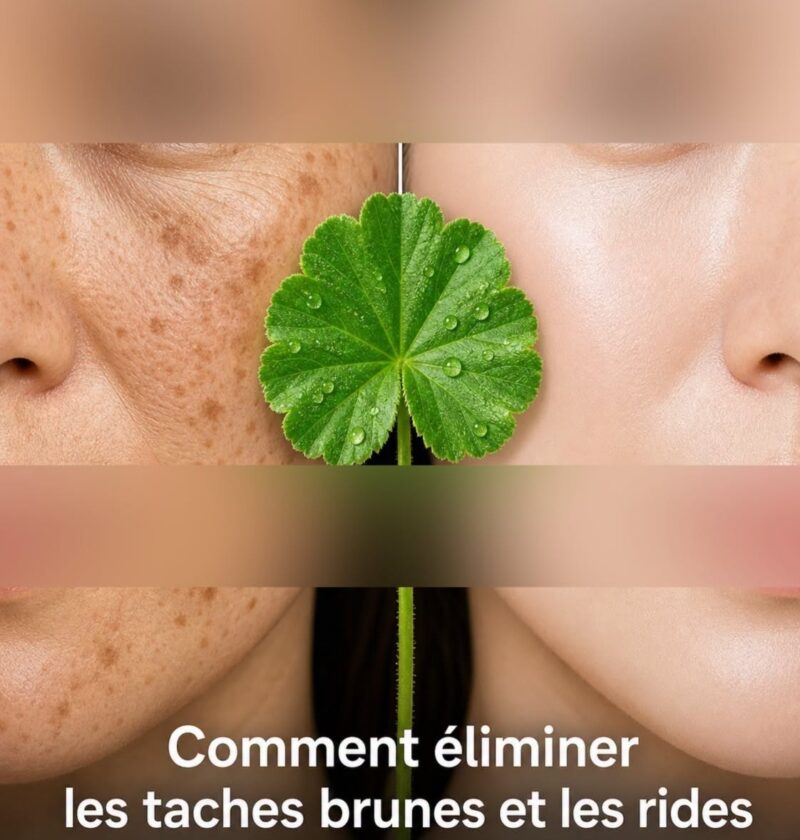
The phrase “a true treasure of nature that brightens skin and reduces wrinkles” is typical marketing language. It usually refers to a plant or herb being promoted as a natural anti-aging solution—but the reality is more limited.
What’s actually true?
Some plants contain compounds that may support skin health:
- Antioxidants can help reduce oxidative stress (one factor in skin aging)
- Some plant extracts may mildly improve hydration or skin texture
- A few have small studies suggesting effects on inflammation or pigmentation
Examples often used in skincare:
- Vitamin C (often derived from plant sources)
- Aloe Vera
- Green tea extract (antioxidants like EGCG)
- Licorice root extract (sometimes used for dark spots)
What is NOT true
No plant:
- Permanently removes wrinkles
- “Reverses aging”
- Makes skin look dramatically younger on its own
Wrinkles form due to:
- Sun exposure (UV damage)
- Loss of collagen and elastin
- Natural aging
- Smoking and lifestyle factors
No herb or plant can fully reverse these changes.
What actually works best (evidence-based)
If the goal is brighter skin and fewer wrinkles, the strongest tools are:
- Daily sunscreen (most important)
- Retinoids (vitamin A derivatives)
- Moisturizers with ceramides or hyaluronic acid
- A healthy diet + hydration
- Not smoking
Bottom line
Plants can support skin health, but “miracle anti-wrinkle plants” are usually exaggerated claims. They may improve hydration or mild brightness, not fundamentally reverse aging.
If you want, I can break down the exact plant from the post or video and tell you whether its claims are real or just hype.