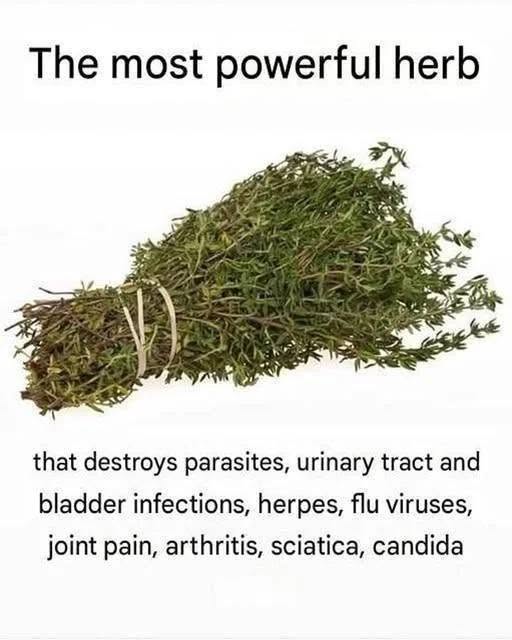
That kind of headline — “the most potent herb that destroys parasites, urinary tract…” — is typical wellness clickbait. It usually exaggerates what herbs can actually do.
There is no single herb that reliably “destroys parasites” and treats urinary tract infections (UTIs) in a medical sense. Both parasitic infections and UTIs require proper diagnosis and, in many cases, prescription treatment.
Here’s the reality behind the claim:
🧪 “Parasite-destroying herbs”
Some plants have compounds that show antimicrobial or antiparasitic activity in lab studies, for example:
- Garlic (allicin has antimicrobial effects in vitro)
- Wormwood (studied for anti-parasitic compounds)
- Black Walnut (juglone compounds)
But:
- Most evidence is from lab or animal studies, not reliable human treatment data.
- They are not proven cures for parasitic infections in people.
🚨 Urinary tract infections (UTIs)
UTIs are usually caused by bacteria like E. coli and are treated with antibiotics when needed.
Some herbs used traditionally for urinary support:
- Cranberry (may slightly reduce recurrence risk in some people)
- D-mannose (a sugar compound sometimes used for prevention)
Important:
- Cranberry does not cure an active infection
- Untreated UTIs can spread to the kidneys and become serious
⚠️ Why these claims spread online
These posts usually:
- Mix real science (antimicrobial compounds) with exaggerated claims
- Ignore dosage, safety, and clinical evidence
- Replace medical treatment with “natural cure” messaging
🧭 Bottom line
- No herb “destroys parasites” in a reliable medical way
- No herb treats UTIs as effectively as proper medical care
- Some herbs may support health, but they are not substitutes for treatment
If you want, tell me the exact herb mentioned in the video/post, and I’ll break down whether it actually works or is just marketing hype.