Gallbladder removal surgery (called a cholecystectomy) is common and often necessary when someone has severe gallstones, infection, pancreatitis, or repeated gallbladder attacks. But the idea that “nothing changes afterward” is not entirely accurate. The body does adapt, and some people develop digestive or metabolic problems afterward.
Here’s a balanced explanation of what can happen.
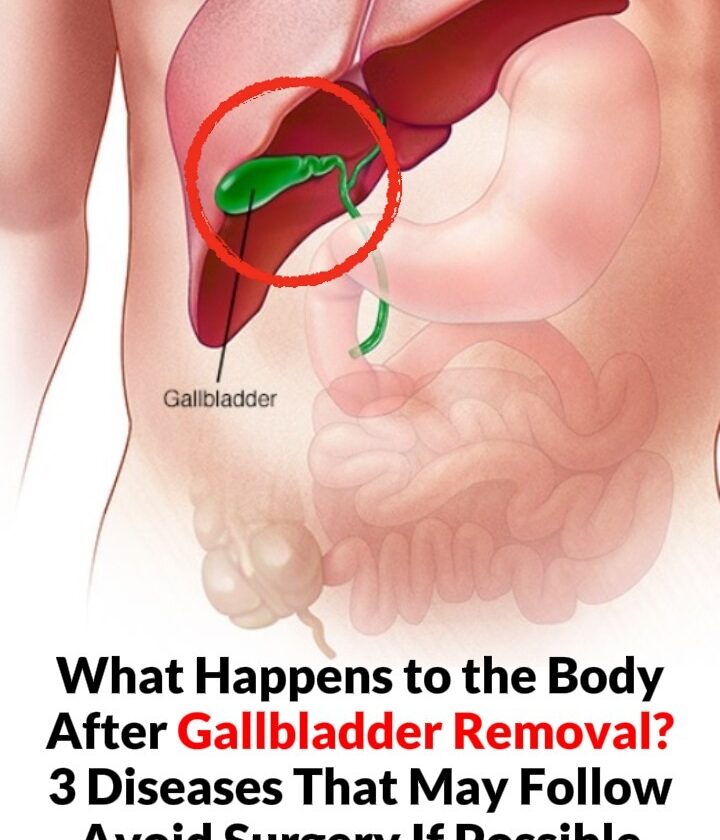
What the Gallbladder Actually Does
The gallbladder stores and concentrates bile made by the liver. Bile helps digest fats.
After removal:
- The liver still makes bile.
- But bile drips continuously into the intestine instead of being released in controlled amounts during meals.
Many people do fine after surgery, especially long term. Others notice digestive changes.
Common Effects After Gallbladder Removal
1. Digestive Problems (Post-Cholecystectomy Syndrome)
Some people develop symptoms such as:
- Bloating
- Diarrhea
- Gas
- Indigestion
- Fat intolerance
- Upper abdominal discomfort
This is sometimes called “post-cholecystectomy syndrome.”
A specific issue is bile acid diarrhea, where excess bile irritates the intestines.
2. Increased Risk of Fatty Liver Disease
Some studies suggest a higher association between gallbladder removal and:
Nonalcoholic Fatty Liver Disease
The relationship is complex and not necessarily causal. People who develop gallstones often already have metabolic risk factors such as obesity, insulin resistance, or high triglycerides.
3. Changes in Gut Microbiome and Metabolism
Research has explored links between gallbladder removal and:
- Altered gut bacteria
- Mild insulin resistance
- Increased cholesterol metabolism changes
Some studies also report slightly increased risks of:
- Colon disorders
- Bile reflux gastritis
- Irritable bowel symptoms
But the absolute risk for most individuals remains relatively low.
Does Gallbladder Removal Cause Serious Disease?
Online articles sometimes exaggerate the dangers.
Current medical evidence does not support the idea that gallbladder removal automatically causes severe chronic illness in most people.
Many patients:
- Have major relief from pain
- Avoid dangerous complications
- Live normally afterward
However, surgery should not be treated casually if symptoms are mild and manageable.
When Avoiding Surgery May Be Reasonable
Some people with:
- Small asymptomatic gallstones
- Mild occasional symptoms
- No infection or complications
may be managed conservatively through:
- Dietary changes
- Weight management
- Lower-fat meals
- Monitoring
In selected cases, medications like:
Ursodeoxycholic acid
can dissolve certain cholesterol stones, though recurrence is common.
When Surgery Is Usually Recommended
Doctors commonly recommend surgery when there is:
- Recurrent gallbladder attacks
- Acute inflammation
- Blocked bile ducts
- Pancreatitis from gallstones
- Large or numerous stones causing symptoms
Delaying surgery in these situations can lead to dangerous complications.
Diet After Gallbladder Removal
People often do better with:
- Smaller meals
- Moderate fat intake
- Gradual increase in dietary fats
- More fiber
- Limiting very greasy foods initially
Most patients improve over weeks to months.
Bottom Line
Gallbladder removal changes bile flow and can lead to digestive issues in some people. Associations with conditions like fatty liver disease and bile acid diarrhea have been reported, but many claims online are overstated.
The decision should depend on:
- Severity of symptoms
- Risk of complications
- Response to non-surgical treatment
- Medical imaging and evaluation
Avoiding surgery “if possible” can make sense for mild cases, but avoiding needed surgery can also be risky.