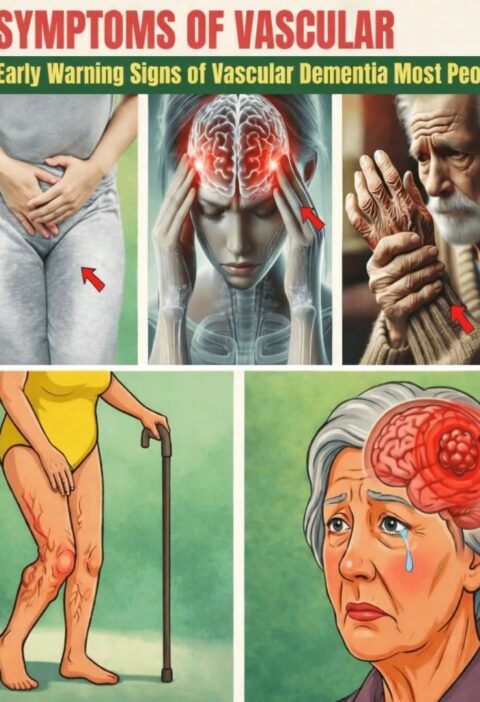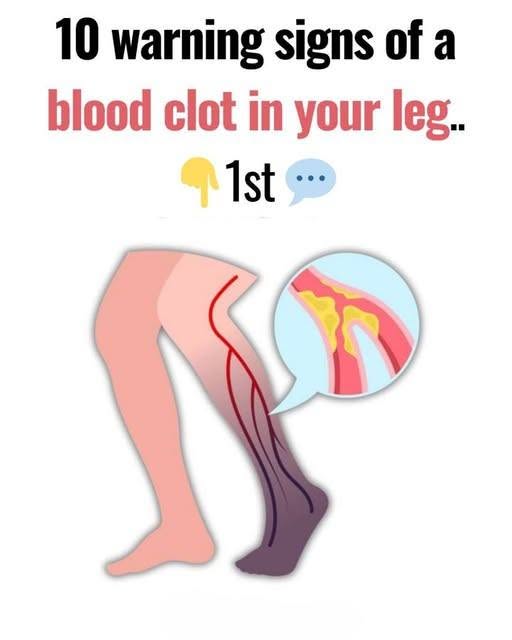
The headline “10 Warning Signs of a Blood Clot in the Leg You Should Know” is based on a real medical condition, but it’s often presented in an exaggerated way.
A blood clot in a deep leg vein is called deep vein thrombosis (DVT). It can be serious because the clot may travel to the lungs and cause a pulmonary embolism.
Related condition: Deep Vein Thrombosis
🦵 Common warning signs of a leg blood clot (DVT)
1. Swelling in one leg
- Usually sudden or noticeable difference between legs
2. Pain or tenderness
- Often in the calf or thigh
- May feel like cramping or soreness
3. Warmth in the affected area
- One leg feels warmer than the other
4. Red or discolored skin
- Skin may look reddish or bluish
5. Tight or heavy feeling in the leg
6. Pain that worsens when walking or standing
7. Visible enlarged veins
8. Unexplained leg fatigue or discomfort
9. Skin may feel sensitive to touch
10. In severe cases: no obvious symptoms at all
- Some clots are “silent”
🚨 When it becomes an emergency
A clot becomes life-threatening if it travels to the lungs. Seek immediate help if you have:
- Sudden shortness of breath
- Chest pain (worse with breathing)
- Coughing blood
- Rapid heartbeat or fainting
⚠️ Important reality check
- Many leg pains are not blood clots (muscle strain, cramps, nerve issues are far more common)
- Online posts often turn general symptoms into “hidden clot signs,” which can cause unnecessary fear
- Only medical tests (like ultrasound) can confirm DVT
🧭 Risk factors for DVT
You are more at risk if you have:
- Long periods of immobility (travel, bed rest)
- Surgery or injury
- Smoking
- Pregnancy
- Certain medical conditions or hormone therapy
🧠 Bottom line
A blood clot in the leg has recognizable warning signs, especially one-sided swelling and pain, but symptoms alone are not enough to diagnose it. If suspected, it should be evaluated urgently because early treatment is important.
If you want, I can also explain how to tell the difference between a blood clot, muscle cramp, and sciatica pain, since they often get confused.