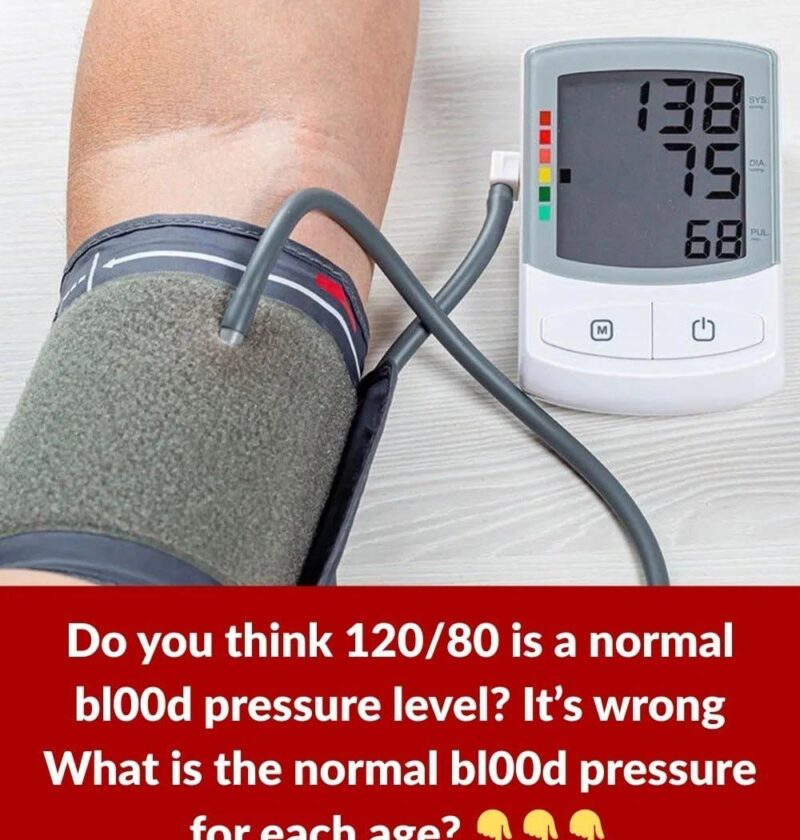
There isn’t a different “normal blood pressure for each age” in modern medical guidelines. That’s another common viral misconception.
Instead, doctors use one standard normal range for adults, with some variation for children and older adults based on health status.
🫀 Normal blood pressure (adults)
For most adults, including older adults:
- Normal: below 120/80 mmHg
- Elevated: 120–129 / less than 80
- High blood pressure (Hypertension): 130/80 or higher
Hypertension
👶 Children and teens (simplified)
Blood pressure in children is not fixed—it depends on:
- Age
- Height
- Sex
In general:
- Lower than adults
- Doctors use percentile charts rather than a single number
👵 Older adults (important clarification)
There is a myth that “higher BP is normal with age.” That is not fully correct.
- Ideal target is still usually below 130/80 if tolerated
- Some older adults may have slightly higher readings due to stiff arteries
- But consistently high readings still increase risk of stroke and heart disease
⚠️ Why the “age-based BP chart” is misleading
Old charts used to suggest things like:
- “100 + age = normal systolic BP”
This is outdated and no longer recommended.
Modern research shows:
- Lower controlled BP = lower risk of heart attack and stroke (in most people)
📊 Quick summary
- 🟢 Normal: <120/80
- 🟡 Elevated: 120–129 / <80
- 🔴 High: ≥130/80
🧠 Bottom line
There is no separate normal blood pressure for each age group in adults today. The goal is generally to keep it below 120/80 or at least under 130/80, depending on individual health conditions.
If you want, I can show you a simple chart of symptoms vs BP levels or explain when BP becomes dangerous and needs urgent care.