Atorvastatin is a commonly prescribed medicine used to lower cholesterol and reduce the risk of heart disease and stroke.
💊 What it does
Atorvastatin belongs to a group of drugs called statins. It works by blocking an enzyme in the liver that helps produce cholesterol. This leads to:
- Lower LDL (“bad”) cholesterol
- Lower triglycerides (in some people)
- Slight increase in HDL (“good”) cholesterol
❤️ Why doctors prescribe it
It’s widely used because it helps reduce the risk of serious cardiovascular problems, including:
- Heart attack
- Stroke
- Blocked arteries (atherosclerosis)
It is commonly prescribed for people who:
- Have high cholesterol levels
- Already have heart disease
- Have diabetes (higher heart risk)
- Have multiple risk factors like smoking, high blood pressure, or family history
🕒 How it’s taken
- Usually once daily
- Can be taken with or without food
- Dose is adjusted based on cholesterol levels and risk
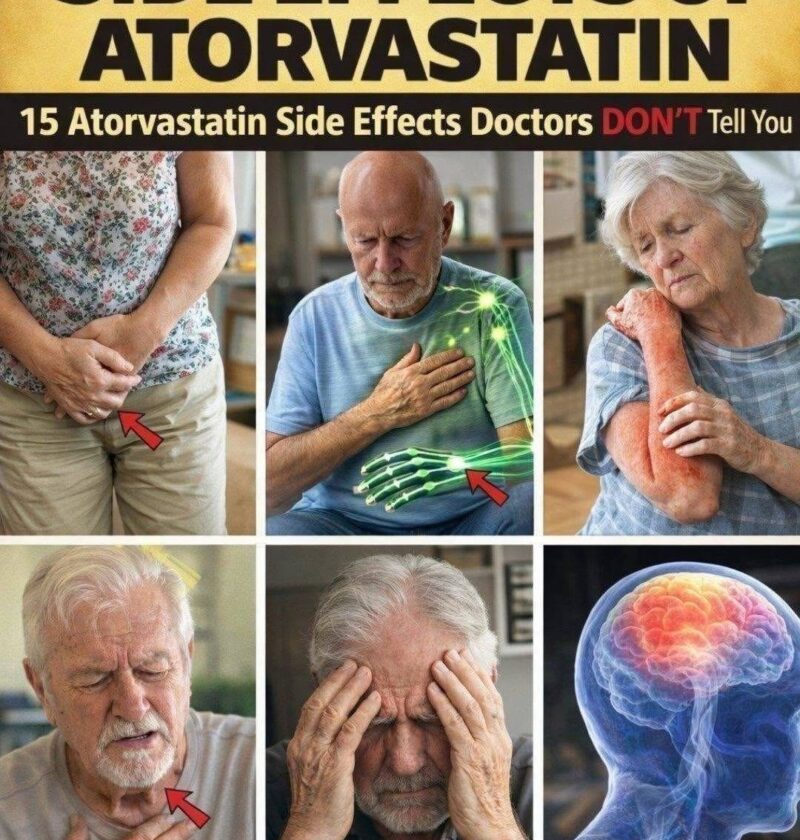
⚠️ Possible side effects
Most people tolerate it well, but some may experience:
- Muscle aches or weakness
- Mild digestive issues (nausea, constipation, diarrhea)
- Slight increase in liver enzymes (monitored with blood tests)
Rare but serious effects:
- Severe muscle breakdown (very rare)
- Liver injury (rare, usually monitored early)
🧠 Why it’s so commonly prescribed
Atorvastatin is widely used because:
- It has strong scientific evidence
- It significantly lowers heart attack and stroke risk
- It is generally safe for long-term use
- It works even when lifestyle changes alone are not enough
✔️ Bottom line
Atorvastatin is one of the most effective and well-studied cholesterol-lowering medicines. It doesn’t just improve lab numbers—it helps prevent serious cardiovascular disease.
If you want, I can also explain:
- whether it’s safe to take long-term
- natural ways to lower cholesterol alongside it
- or how quickly it starts working in the body