Here are methods that actually work:
1. Eliminate food and water sources
- Wipe up crumbs and spills promptly.
- Store food, including pet food, in sealed containers.
- Empty trash regularly.
- Fix dripping faucets or other sources of moisture.
2. Follow the ant trail
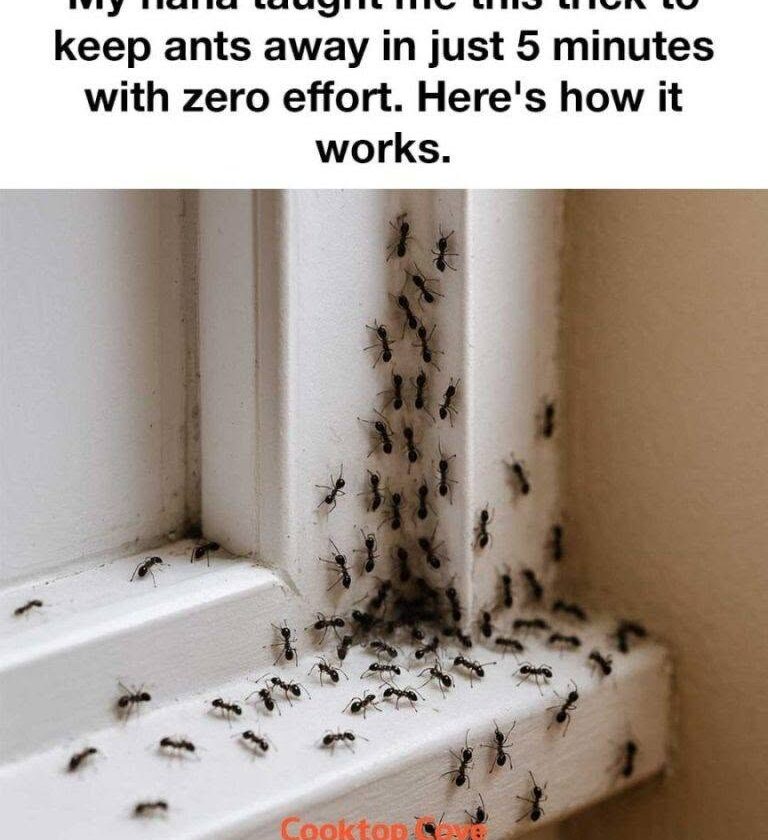
Ants leave a scent trail for others to follow. Clean trails with soapy water or a vinegar-and-water solution to help remove the scent.
3. Seal entry points
Inspect around windows, doors, pipes, and cracks in walls, then seal gaps with caulk or another appropriate sealant.
4. Use bait rather than spraying
For persistent indoor infestations, ant bait is often more effective than insecticide sprays. Worker ants carry the bait back to the colony, which can reduce the entire nest over time. Sprays may kill only the ants you see and can cause the colony to split or relocate.
5. Try natural deterrents (with modest expectations)
Some people use:
- White vinegar for cleaning trails
- Cinnamon
- Peppermint oil
- Citrus peels
These may discourage ants temporarily, but they generally don’t eliminate a colony.
When to call a professional
If ants keep returning, you’re seeing large numbers, or you suspect species such as carpenter ants that can damage wood, professional pest control may be the most effective solution.
Bottom line: There isn’t a permanent one-step fix. Long-term control comes from combining good sanitation, sealing entry points, and using appropriate ant baits when needed.