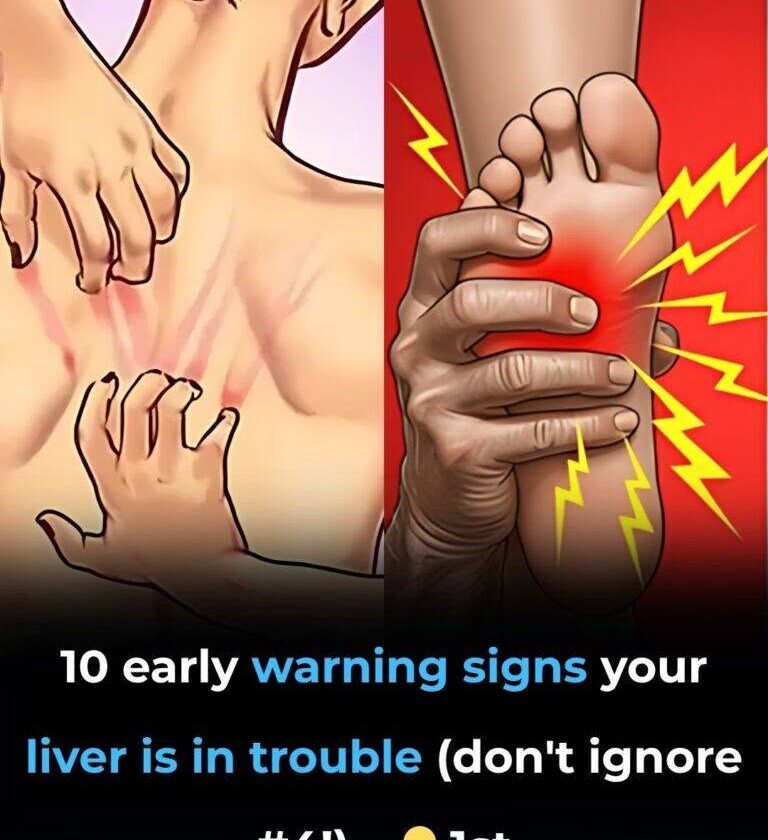
Headlines like “10 early warning signs your liver is in trouble (don’t ignore #4!)” are designed to grab attention. In reality, early liver disease often causes no symptoms at all, and when symptoms do appear, they’re not always specific to liver problems.
Here are 10 signs that can be associated with liver disease:
- Persistent fatigue or weakness
Feeling unusually tired over a long period can occur with liver disease, though it has many other possible causes. - Yellowing of the skin or eyes (jaundice)
This is a classic sign that bilirubin is building up in the body. - Dark urine
Urine that is tea- or cola-colored despite adequate hydration can be a sign of liver or bile duct problems. - Pale or clay-colored stools
This may occur if bile isn’t reaching the intestines normally. - Persistent itching
Widespread itching without a rash can occur in some liver and bile duct disorders. - Pain or discomfort in the upper right abdomen
The liver is located in the upper right part of the abdomen. - Swelling of the abdomen or legs
Advanced liver disease can cause fluid buildup in the abdomen or ankles. - Easy bruising or bleeding
The liver makes proteins involved in blood clotting. - Loss of appetite, nausea, or unexplained weight loss
These symptoms can occur with many illnesses, including liver disease. - Confusion or excessive sleepiness
In advanced liver disease, toxins can affect brain function, a condition known as hepatic encephalopathy.
When to seek medical care
Contact a healthcare professional promptly if you develop:
- Yellowing of the skin or eyes
- Severe abdominal pain
- Persistent vomiting
- Confusion or difficulty staying awake
- Vomiting blood or black, tarry stools
Protecting your liver
You can lower your risk of liver disease by:
- Limiting alcohol if you drink.
- Maintaining a healthy weight.
- Managing conditions such as diabetes and high cholesterol.
- Getting vaccinated against Hepatitis A and Hepatitis B if recommended.
- Taking medications only as directed and avoiding unnecessary supplements, some of which can harm the liver.
Bottom line: There is no specific “warning sign #4” that everyone should fear. Many liver conditions are silent in their early stages, so if you have risk factors or persistent symptoms, blood tests and medical evaluation are much more reliable than relying on symptom lists alone.