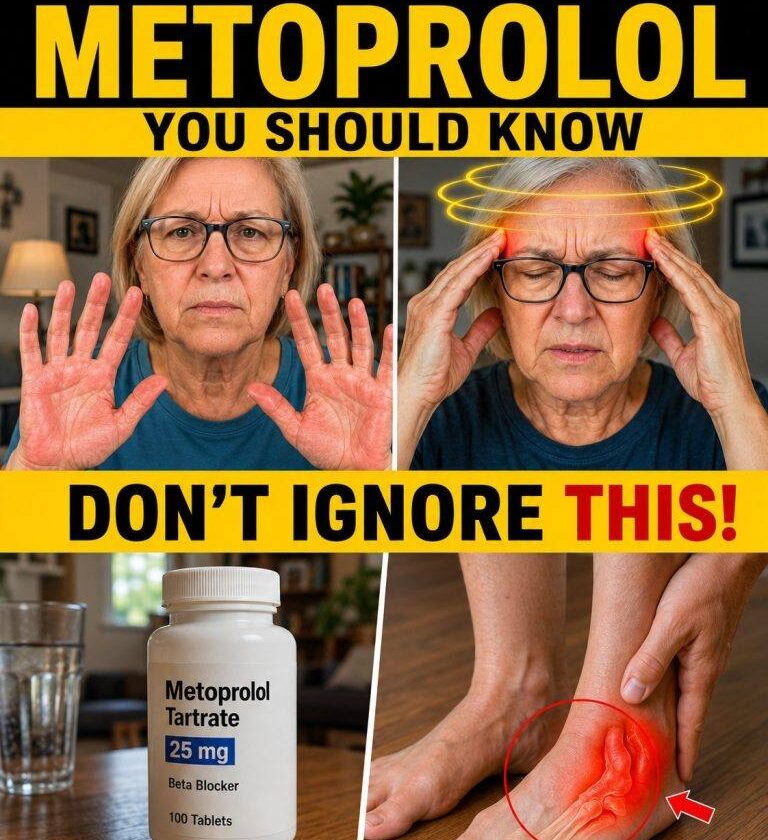
Part 1: Understanding Hidden Low Blood Pressure Warning Signs in Older Adults (Rewritten Wellness Article with SEO Focus)
A Real-Life Experience That Highlights a Common Health Issue in Seniors
An elderly gentleman recently shared a moment from his life that left him feeling uncomfortable to talk about. For several months, he had been taking prescribed medication for high blood pressure, trusting it to keep his condition under control. However, over time, he began noticing something unusual—episodes of lightheadedness, unusual fatigue, and brief dizziness whenever he stood up too quickly.
At first, he assumed it was simply part of getting older. Like many older adults, he tried to brush it off. He increased his coffee intake, thinking caffeine might help restore his energy, and continued with his daily routine without mentioning it to anyone. But the symptoms gradually became more noticeable.
One morning, while shopping at a grocery store, he suddenly felt faint. For a moment, he struggled to keep his balance and nearly collapsed. Thankfully, he recovered quickly, but the incident shook him deeply. It was only after this near-fall that he realized his body had been sending warning signals for quite some time.
This situation is far more common than most people think, especially among seniors managing blood pressure medications. Many older adults experience subtle changes in their body—such as dizziness when standing, fatigue, or blurred vision—but often dismiss them as a normal part of aging.
The truth is, these signs may not always be “just aging.” In many cases, they can be linked to low blood pressure (hypotension) or a related condition called orthostatic hypotension, where blood pressure drops suddenly when standing up.
Recognizing these early signals is important because small lifestyle adjustments, hydration habits, and proper medical monitoring can significantly improve daily comfort and safety.
Why Blood Pressure Changes Matter More With Age
As the body ages, the cardiovascular system naturally undergoes changes. Blood vessels may become less flexible, and the body’s ability to regulate blood pressure quickly can slow down. When this is combined with blood pressure-lowering medications, dehydration, or long periods of sitting or lying down, the result can sometimes be sudden drops in blood pressure.
This is especially relevant for older adults who are taking antihypertensive medications. While these medicines are essential for controlling high blood pressure, they can occasionally lower blood pressure too much if the dosage is not perfectly balanced for the individual’s current condition.
In simple terms, what protects the heart can sometimes make the body feel weak or dizzy if the pressure drops below the optimal range.
Common but Overlooked Symptoms of Low Blood Pressure in Seniors
Many warning signs of low blood pressure develop slowly and are often ignored. Some of the most frequently reported symptoms include:
- Feeling lightheaded when standing up quickly
- Sudden dizziness or a “spinning” sensation
- Unusual tiredness even after resting
- Blurred or fading vision for a few seconds
- Weakness in the legs or body
- Difficulty concentrating or mental fog
- Occasional nausea or imbalance
These symptoms may appear briefly and then disappear, which is why many people do not take them seriously. However, even short episodes can increase the risk of falls, which is one of the most common causes of injury in older adults.
Search trends such as “low blood pressure symptoms in elderly,” “dizziness when standing up causes,” and “orthostatic hypotension warning signs” show how frequently people look for explanations for these experiences.
Understanding Orthostatic Hypotension in Simple Terms
Orthostatic hypotension is a condition where blood pressure drops significantly when a person stands up from sitting or lying down. Normally, gravity pulls blood downward when we stand, and the body quickly compensates by tightening blood vessels and increasing heart rate.
In some older adults, this adjustment happens more slowly. As a result, less blood reaches the brain for a few seconds, leading to dizziness or faintness.
Common triggers include:
- Dehydration
- Blood pressure medication adjustments
- Prolonged bed rest
- Hot weather
- Large meals (which divert blood to digestion)
Understanding this condition is important because it is often manageable once identified early.
Why Many Seniors Ignore Early Warning Signs
One of the biggest challenges in elderly health awareness is that symptoms are often normalized. Many seniors assume that feeling tired, weak, or dizzy is simply a natural part of aging.
There are several reasons for this:
- A belief that aging always comes with discomfort
- Fear of medication changes
- Underestimating symptoms that come and go
- Not wanting to appear overly concerned to family members
However, ignoring these signs can sometimes lead to preventable complications such as falls, injuries, or reduced independence.
Healthcare experts often emphasize that early recognition of blood pressure changes can make a significant difference in maintaining mobility and confidence in daily life.
Everyday Situations Where Symptoms Commonly Appear
Low blood pressure symptoms often show up during normal activities, including:
- Getting out of bed in the morning
- Standing up after sitting for a long time
- Walking after resting
- Taking a hot shower
- Walking through crowded or warm environments
These routine moments can become risky if the body does not adjust quickly enough to changes in position.
Simple Lifestyle Factors That May Contribute
Several everyday habits can influence blood pressure stability:
- Not drinking enough water throughout the day
- Skipping meals or eating irregularly
- Overuse or incorrect timing of blood pressure medication
- Excessive caffeine intake without proper hydration balance
- Long periods of inactivity
While these factors do not always cause problems on their own, they can contribute to dizziness and weakness when combined.
Why Early Awareness Can Prevent Bigger Problems
The most important takeaway is that early awareness allows for simple corrections before symptoms become severe. For example, small adjustments like drinking enough fluids, standing up slowly, and reviewing medication timing with a healthcare provider can greatly improve comfort.
When symptoms are recognized early, individuals are less likely to experience sudden falls or anxiety about daily movement. This helps maintain independence and quality of life.
Healthcare discussions about “managing blood pressure in seniors” and “preventing dizziness in elderly people” consistently highlight prevention as the most effective approach.
A Gentle Reminder About Listening to Your Body
The elderly gentleman’s experience is a reminder that the body often communicates through small signals before larger problems appear. Fatigue, dizziness, or imbalance should not always be dismissed as normal aging without consideration.
Instead, these signs can be viewed as early messages encouraging attention, hydration, rest, and medical review when necessary.
As mentioned earlier, there is one simple habit many seniors overlook that can help detect these changes sooner—paying closer attention to how the body feels immediately after standing up or changing posture. This small moment of awareness can reveal important clues about blood pressure stability long before symptoms become serious.
Trusted Health Information Source
For general medical understanding of low blood pressure and orthostatic hypotension, you can refer to:
- Mayo Clinic – Low Blood Pressure (Hypotension): https://www.mayoclinic.org/diseases-conditions/low-blood-pressure/symptoms-causes/syc-20355465
- American Heart Association – Blood Pressure Information: https://www.heart.org
Part 2: Simple Everyday Awareness Guide (Quick Practical Steps Format)
Easy Daily Routine to Help Notice Blood Pressure Changes Early
Step 1: Morning Position Check
Before getting out of bed, sit up slowly and pause for 10–20 seconds. Notice if you feel dizzy or weak.
Step 2: Stand-Up Awareness
When moving from sitting to standing, do it gradually. Hold onto support if needed and observe your balance.
Step 3: Hydration Habit
Drink water regularly throughout the day to help maintain stable blood circulation.
Step 4: Monitor Body Signals
Pay attention to brief dizziness, blurred vision, or unusual fatigue during daily activities.
Step 5: Medication Timing Review
If you are on blood pressure medication, follow your doctor’s instructions carefully and do not adjust doses without guidance.
Step 6: Seek Medical Advice if Needed
If dizziness or weakness becomes frequent, consult a healthcare professional for evaluation.