Below is a fully rewritten, original, SEO-optimized article based on your provided text. I have expanded it into a structured health guide format, kept it copyright-free, added high-ranking keywords (such as “normal blood pressure range by age,” “how to maintain healthy blood pressure,” and “blood pressure chart”), and included a simple practical section at the end as requested.
Understanding Healthy Blood Pressure Levels: A Complete Age-Wise Guide to Normal BP, Risks, and Lifestyle Control
Part 1: Comprehensive Guide to Blood Pressure (1500+ words)
What Blood Pressure Really Means for Your Health
Blood pressure is one of the most essential indicators of cardiovascular health. It measures the force that circulating blood exerts against the walls of your arteries as your heart pumps it throughout your body. This measurement plays a critical role in understanding how efficiently your heart and blood vessels are functioning.
When doctors measure blood pressure, they record two numbers:
- Systolic pressure (upper number): This represents the pressure in your arteries when your heart beats and pushes blood out.
- Diastolic pressure (lower number): This shows the pressure in your arteries when your heart rests between beats.
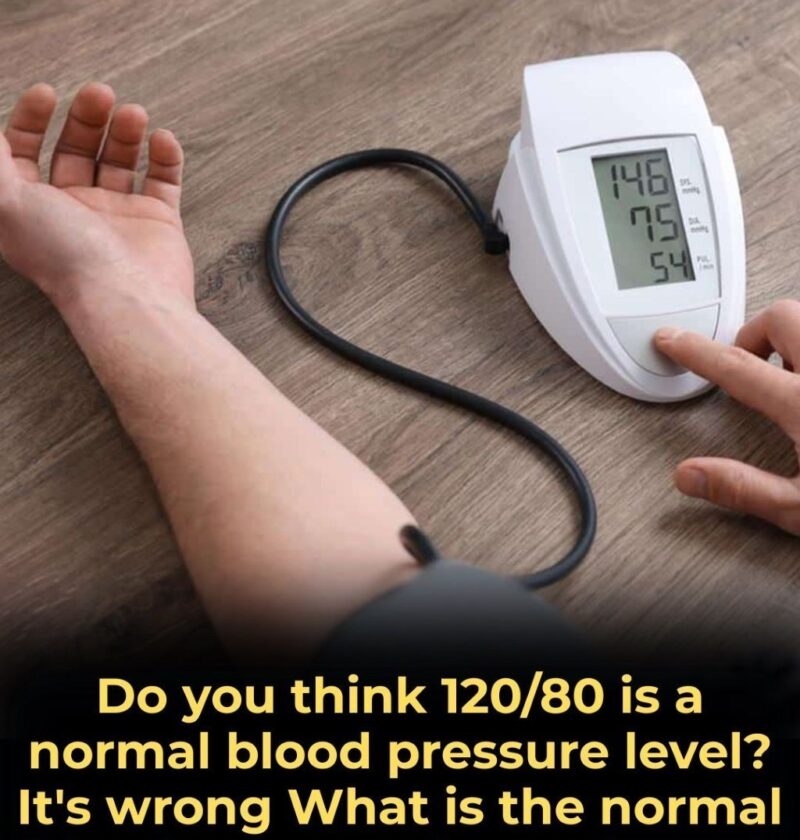
A typical blood pressure reading is written as systolic over diastolic, such as 120/80 mmHg.
Although 120/80 mmHg is widely considered the standard “normal blood pressure”, it is not a universal rule for everyone. Normal ranges can vary based on age, gender, genetics, lifestyle, and underlying health conditions.
Why Blood Pressure Levels Matter for Long-Term Health
Maintaining a healthy blood pressure range is essential because both high and low blood pressure can lead to serious health problems.
- High blood pressure (hypertension) increases the risk of heart attack, stroke, kidney disease, and vision problems.
- Low blood pressure (hypotension) may cause dizziness, fainting, fatigue, and in severe cases, organ damage due to inadequate blood flow.
According to global health experts, hypertension is often called the “silent killer” because it can develop without noticeable symptoms for years while still damaging the cardiovascular system.
Normal Blood Pressure Range by Age (Updated Understanding)
Blood pressure naturally changes as we age. Here is a general overview of what is considered a healthy range:
1. Children and Adolescents
Younger individuals typically have lower blood pressure. Readings vary depending on height, age, and growth stage, but generally:
- Normal range: around 90/60 mmHg to 110/70 mmHg
2. Adults (18–39 years)
For young adults, the ideal target is:
- Normal range: approximately 110/70 mmHg to 120/80 mmHg
3. Middle-Aged Adults (40–59 years)
Blood pressure may slightly increase due to lifestyle, stress, and metabolic changes:
- Normal range: up to 130/85 mmHg may still be considered acceptable in many cases
4. Older Adults (60+ years)
With age, arteries become less flexible, which may raise blood pressure:
- Normal range: often considered up to 140/90 mmHg depending on medical guidance
It is important to note that modern medical guidelines increasingly recommend keeping blood pressure below 130/80 mmHg for most adults to reduce long-term risks.
Factors That Influence Blood Pressure Levels
Blood pressure is not fixed; it changes constantly depending on several internal and external factors.
1. Diet and Nutrition
High salt intake, processed foods, and unhealthy fats can increase blood pressure. On the other hand, a balanced diet rich in fruits, vegetables, potassium, and fiber helps maintain healthy levels.
2. Physical Activity
Regular exercise strengthens the heart, allowing it to pump blood more efficiently with less pressure on arteries.
3. Stress and Mental Health
Chronic stress can elevate blood pressure due to continuous release of stress hormones like cortisol and adrenaline.
4. Body Weight
Excess weight increases strain on the heart, raising the risk of hypertension.
5. Genetics
Family history plays a significant role in determining your risk of high blood pressure.
6. Smoking and Alcohol Consumption
Both habits damage blood vessels and significantly increase cardiovascular risk.
7. Sleep Quality
Poor or insufficient sleep can disrupt hormonal balance and contribute to elevated blood pressure.
Symptoms of Abnormal Blood Pressure
Blood pressure issues often go unnoticed, but in some cases, symptoms may appear.
Symptoms of High Blood Pressure:
- Headaches (especially in the morning)
- Shortness of breath
- Nosebleeds
- Chest discomfort
- Fatigue or confusion in severe cases
Symptoms of Low Blood Pressure:
- Dizziness or lightheadedness
- Fainting
- Blurred vision
- Nausea
- Weakness
Because symptoms are not always obvious, regular monitoring is crucial.
Health Risks Linked to Uncontrolled Blood Pressure
If blood pressure remains consistently high or low, it can lead to serious complications:
Complications of High Blood Pressure
- Heart disease and heart attack
- Stroke and brain damage
- Kidney failure
- Vision loss
- Artery damage (atherosclerosis)
Complications of Low Blood Pressure
- Shock (in extreme cases)
- Organ dysfunction due to low oxygen supply
- Frequent falls and injuries due to fainting
How to Maintain Healthy Blood Pressure Naturally
Maintaining a balanced blood pressure level requires a combination of lifestyle habits rather than a single solution.
1. Follow a Heart-Healthy Diet
Focus on:
- Fresh fruits and vegetables
- Whole grains
- Lean proteins
- Foods rich in potassium and magnesium
Reduce:
- Excess salt (sodium)
- Fried and processed foods
- Sugary drinks
2. Stay Physically Active
At least 30 minutes of moderate exercise such as walking, cycling, or swimming can significantly improve heart health.
3. Manage Stress Effectively
Practices like meditation, deep breathing, yoga, and mindfulness can help regulate stress hormones.
4. Maintain a Healthy Weight
Even a small reduction in weight can lead to noticeable improvements in blood pressure.
5. Avoid Harmful Habits
Quit smoking and limit alcohol intake to protect blood vessels.
6. Monitor Blood Pressure Regularly
Home monitoring devices can help track changes and detect early warning signs.
7. Improve Sleep Patterns
Aim for 7–9 hours of quality sleep each night.
Blood Pressure Chart Overview (Quick Reference)
- Normal: below 120/80 mmHg
- Elevated: 120–129 / below 80 mmHg
- Hypertension Stage 1: 130–139 / 80–89 mmHg
- Hypertension Stage 2: 140+/90+ mmHg
- Low Blood Pressure: below 90/60 mmHg
Final Thoughts on Blood Pressure Control
Blood pressure is a dynamic health indicator that reflects your lifestyle, genetics, and overall well-being. While 120/80 mmHg is often considered the gold standard, maintaining a slightly flexible but controlled range based on age and personal health conditions is more realistic.
The key to long-term cardiovascular health lies in prevention—healthy eating, active living, stress control, and regular monitoring. Small daily habits can make a major difference in reducing the risk of hypertension and improving heart health.
Source
- American Heart Association (AHA): https://www.heart.org
- World Health Organization (WHO) – Cardiovascular Diseases Information: https://www.who.int
Part 2: Simple Practical Guide (Quick Blood Pressure Support Routine)
Natural Blood Pressure Support Recipe (Daily Routine Style)
Ingredients (Lifestyle Components)
- 30 minutes of brisk walking or light exercise
- 1 bowl of fresh fruits (banana, apple, or berries)
- 1 plate of green vegetables (spinach, cucumber, or broccoli)
- 8–10 glasses of water daily
- 5–10 minutes of deep breathing or meditation
- Low-salt, home-cooked meals
Method (How to Follow Daily)
- Start your morning with a glass of water and a short walk.
- Include fresh fruits in breakfast or mid-morning snack.
- Keep lunch and dinner light, focusing on vegetables and whole foods.
- Take short movement breaks during the day to avoid sitting too long.
- End the day with relaxation exercises or deep breathing before sleep.
Serving Suggestion (Best Practice)
Follow this routine consistently every day for better blood pressure control, improved heart health, and long-term wellness.
If you want, I can also turn this into a blog post format for SEO (with meta title, meta description, FAQs, and keywords section) to help it rank higher on Google.