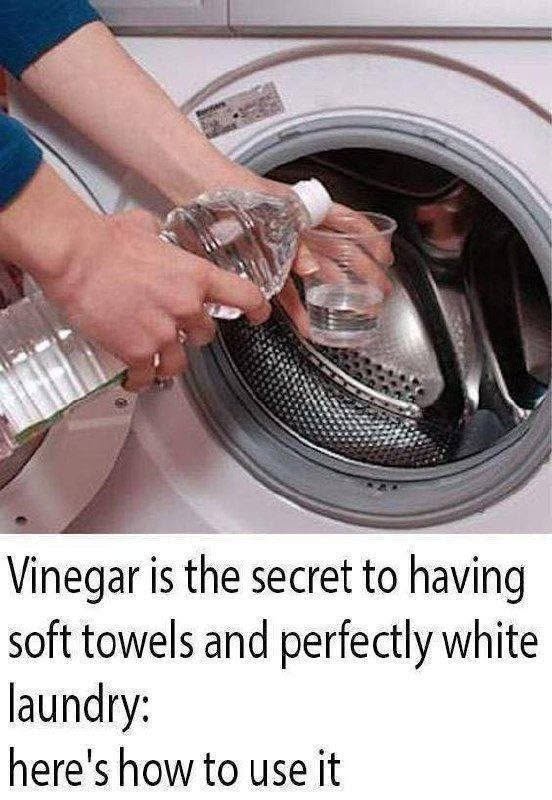
The claim is mostly true. White vinegar can help clean parts of a washing machine by dissolving some mineral deposits, soap residue, and odors. However, it’s not a complete solution for every type of buildup, and it should be used appropriately.
How to use white vinegar to clean a washing machine
For an empty machine:
- Make sure the washer is empty.
- Add 2 cups (about 500 mL) of white distilled vinegar to the detergent dispenser or directly into the drum (follow your machine’s instructions).
- Run the hottest, longest wash cycle available.
- After the cycle, wipe the drum, door seal (for front-loaders), and detergent drawer with a clean cloth.
For stubborn residue
- Remove and wash the detergent drawer separately if possible.
- Clean the rubber door gasket to remove trapped dirt and moisture.
What vinegar is good at
- Reducing soap residue
- Dissolving some hard-water mineral deposits
- Neutralizing unpleasant odors
What vinegar won’t do well
- Remove heavy mold buildup on its own
- Sanitize as effectively as a dedicated washing machine cleaner or an appropriate disinfectant
- Replace routine maintenance
Important precautions
- Never mix vinegar with chlorine bleach. This can produce toxic chlorine gas.
- Check your washing machine’s manual. Some manufacturers advise against frequent vinegar use because repeated exposure may affect certain rubber seals over time.
- Cleaning every 1–3 months is sufficient for most households, though machines used heavily may benefit from more frequent maintenance.
Bottom line: White vinegar is a useful, inexpensive way to help keep a washing machine fresh and reduce residue, but it isn’t a cure-all. Regular cleaning, wiping the door seal dry, and leaving the door open after washes to let the drum air out are also important for preventing odors and mold.