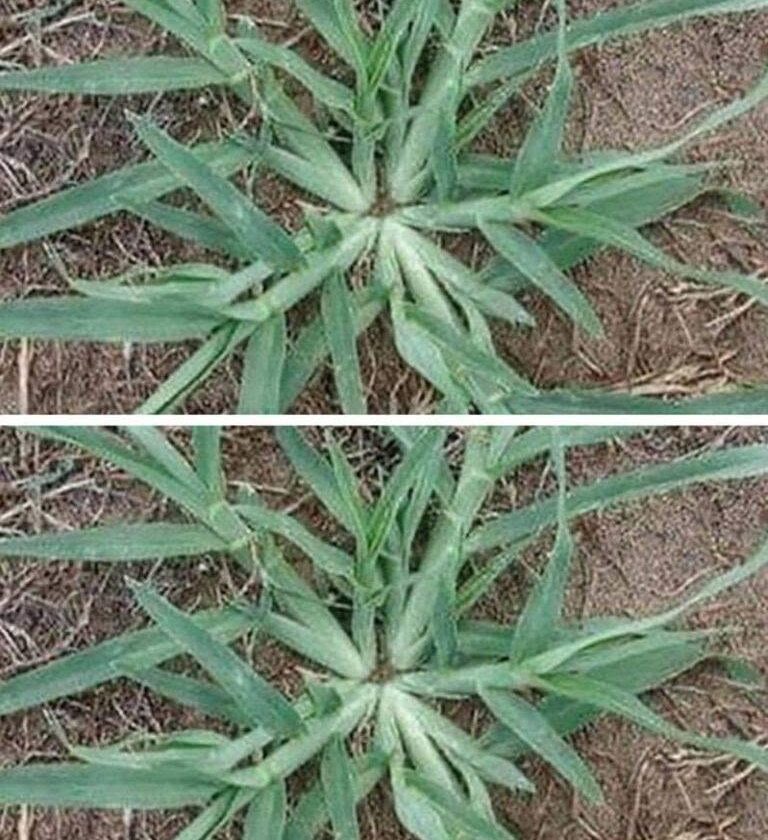
That kind of statement is another internet exaggeration. There is no plant that you should “never uproot” just because it appears in your garden.
What people usually mean with posts like this is one of two things:
🌿 1. It might be a useful wild plant (but not “untouchable”)
Some common garden plants or “weeds” can be beneficial, such as:
- Improving soil health
- Attracting pollinators like bees
- Acting as ground cover to reduce erosion
But even then, they are not mandatory to keep—just potentially useful.
⚠️ 2. It may be invasive in some cases
Some plants spread aggressively and can:
- Take over flower beds
- Compete with crops or ornamental plants
- Be difficult to remove later
In those cases, gardeners often remove them early—not protect them.
🧠 Reality check
No plant is universally “never remove this”:
- Whether a plant is good or bad depends on your location, soil, and gardening goals
- Even beneficial plants can become weeds in the wrong setting
✔️ What you should actually do
Instead of believing viral warnings:
- Identify the plant properly
- Check if it is native or invasive in your region
- Decide based on your garden needs
🌱 Bottom line
These posts are designed to sound mysterious or urgent, but gardening is practical:
👉 There are useful plants, invasive plants, and neutral plants—but none are sacred.
If you want, you can send a photo or describe the plant, and I can tell you what it actually is and whether you should keep it or remove it.