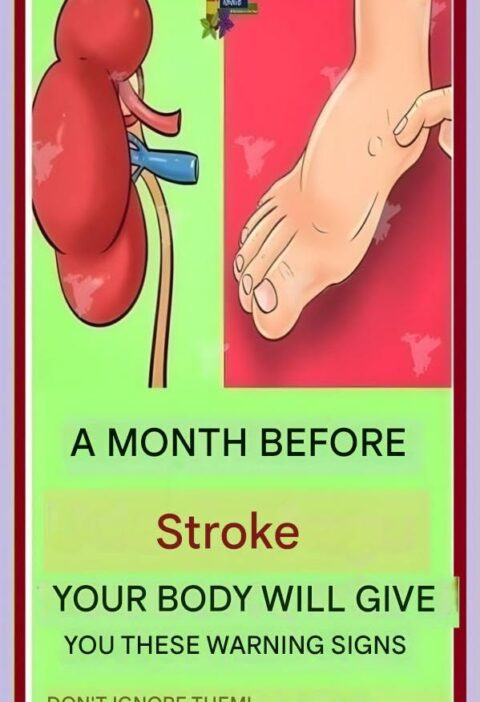
That kind of headline is oversimplified. There isn’t a universal list of “eight pills you should never take,” because kidney risk depends on dose, duration, hydration, and existing kidney health. But it is true that some commonly used medications can stress or damage the kidneys if misused.
Here are some of the main ones doctors warn about:
💊 Medicines that can harm kidneys (especially with overuse)
1. NSAIDs (painkillers)
Examples: ibuprofen, diclofenac, naproxen
- Can reduce blood flow to kidneys
- Risk increases with long-term or high-dose use
- Higher risk if dehydrated or elderly
Related condition: Acute kidney injury
2. Certain antibiotics
Examples: gentamicin, vancomycin (strong hospital antibiotics)
- Can be toxic to kidney tissue in high doses or prolonged use
- Usually monitored in hospitals
3. Some blood pressure medications (ACE inhibitors/ARBs)
Examples: enalapril, lisinopril, losartan
- Usually kidney-protective long term, but can affect kidney function in dehydration or certain conditions
- Require monitoring, not avoidance
4. Diuretics (“water pills”)
Examples: furosemide, hydrochlorothiazide
- Can cause dehydration or electrolyte imbalance if misused
- Indirect kidney stress if fluid balance is poor
5. Proton pump inhibitors (acid reducers)
Examples: omeprazole, esomeprazole
- Long-term use has been linked in some studies to kidney inflammation
- Risk is low but not zero with prolonged use
6. Lithium (for mood disorders)
- Known to affect kidneys with long-term use
- Requires regular blood monitoring
7. Contrast dye (used in imaging scans)
- Not a pill, but important
- Can temporarily stress kidneys, especially in people with existing kidney disease
8. High-dose or mixed supplements
- Some herbal or bodybuilding supplements can be contaminated or overused
- Risk varies widely and is unpredictable
🧠 Key truth doctors emphasize
- These medications are not “bad” by default
- They are safe when used correctly and monitored
- The real danger is unregulated long-term use, dehydration, or mixing drugs without guidance
🚨 When kidney risk is higher
- Dehydration
- Diabetes
- High blood pressure
- Existing kidney disease
- Older age
🧭 Bottom line
No “eight pills” should be blindly avoided. Instead, kidney safety depends on correct use, dose control, and medical supervision.
If you want, I can tell you which everyday medications are safest for pain relief if you’re worried about kidney health.