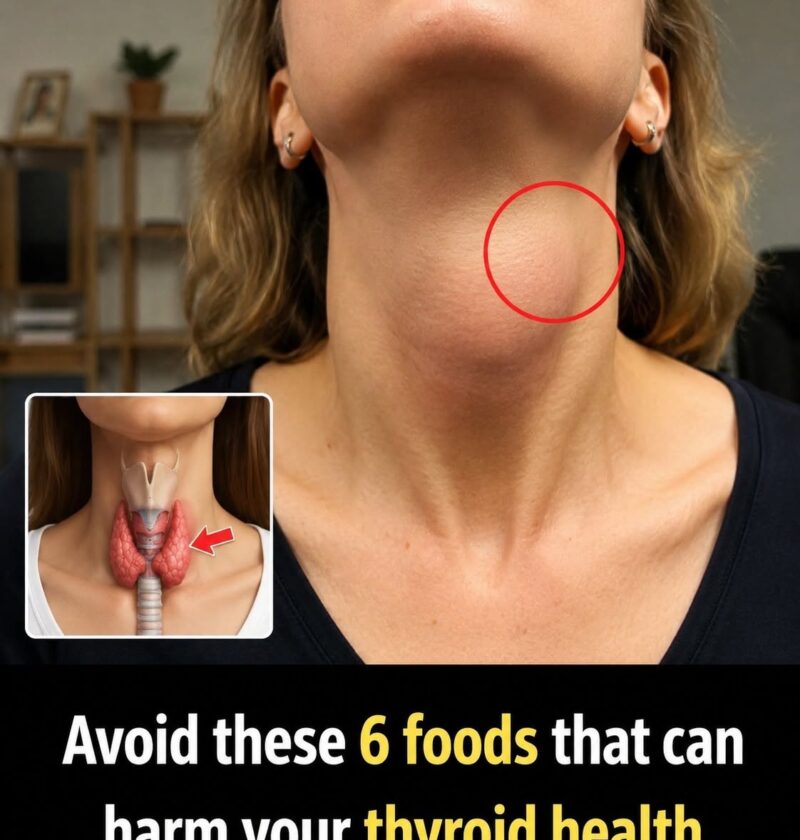
Thyroid health is closely tied to nutrition, and while no single food “causes” thyroid disease, certain dietary patterns may interfere with thyroid hormone production or worsen symptoms in people who already have issues like Thyroid disease.
Experts often highlight a few foods that may be worth limiting—especially for people with hypothyroidism or autoimmune conditions like Hashimoto’s.
1) Soy products
Soy contain compounds called isoflavones, which in large amounts may interfere with thyroid hormone absorption, particularly if iodine intake is low. This doesn’t mean soy is “bad,” but moderation is important, especially when taking thyroid medication.
2) Raw cruciferous vegetables
Foods like Broccoli, Cabbage, and Kale contain goitrogens. In large amounts—especially raw—they may interfere with iodine uptake. Cooking significantly reduces this effect, so most people can eat them safely when prepared properly.
3) Excess seaweed and iodine-rich foods
Seaweed is extremely high in iodine. While iodine is essential for thyroid function, too much can disrupt hormone balance and trigger or worsen thyroid dysfunction in sensitive individuals.
4) Highly processed foods
Packaged snacks, instant noodles, and fast food often contain unhealthy fats, additives, and low-quality oils that may contribute to inflammation. Chronic inflammation can indirectly affect thyroid function and overall endocrine health.
5) Sugary foods and refined carbohydrates
Diets high in sugar and refined carbs can lead to blood sugar spikes and increased inflammation. This can worsen fatigue and weight changes commonly seen in thyroid disorders, even if it doesn’t directly damage the thyroid gland.
6) Gluten-containing foods (for sensitive individuals)
Foods like bread, pasta, and baked goods may be problematic for people with autoimmune thyroid conditions. Some studies suggest a link between gluten sensitivity and Hashimoto’s thyroiditis, though this varies widely between individuals.
Key takeaway
Most of these foods are not inherently harmful for everyone. The impact depends on your thyroid status, iodine intake, and whether you have an autoimmune condition. Cooking methods, portion size, and overall diet quality matter far more than eliminating any single food group.
If you want, I can also list thyroid-friendly foods that support hormone balance and energy levels.