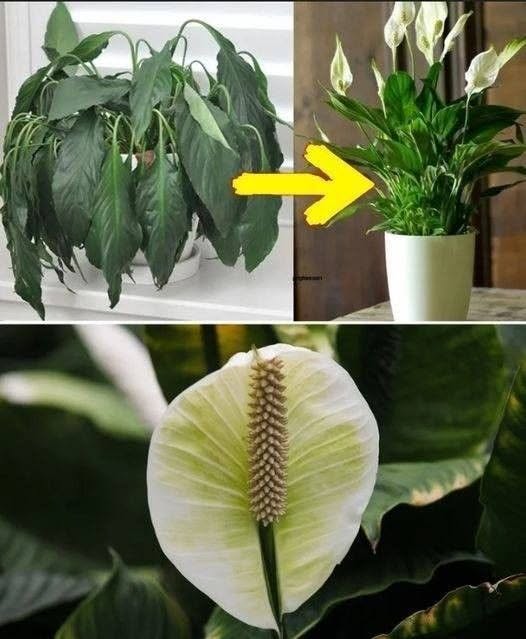
This sounds like you’re talking about using magnesium (often as Epsom salt / magnesium sulfate) as a plant boost—and yes, that’s a common gardening trick, but it’s a bit more nuanced than “one tablespoon fixes everything.”
Why it might have helped
Magnesium is a core part of chlorophyll, so it can help plants that are actually magnesium-deficient:
- Yellowing between leaf veins (interveinal chlorosis)
- Weak growth or poor flowering in some cases
If your plant was deficient, adding magnesium could absolutely lead to a visible recovery and better blooming.
But here’s the catch
“1 tablespoon directly into the pot” can be risky because:
- It can build up salts in the soil
- Too much magnesium can block uptake of calcium and potassium
- It may temporarily improve appearance while creating long-term imbalance
So the improvement doesn’t always mean the plant “needs more”—sometimes it just tolerated the dose.
Safer way gardeners usually use it
Instead of dumping it into soil, many people:
- Dissolve it in water (weak solution)
- Apply occasionally, not repeatedly
- Only use when deficiency signs are clear or soil is known to be low in magnesium
Bottom line
What you did likely worked because your plant may have actually needed magnesium, but repeating that same dose regularly could backfire depending on the plant and soil.
If you tell me what plant it is and what symptoms it had before, I can tell you whether magnesium was really the fix—or if something else might have been going on.