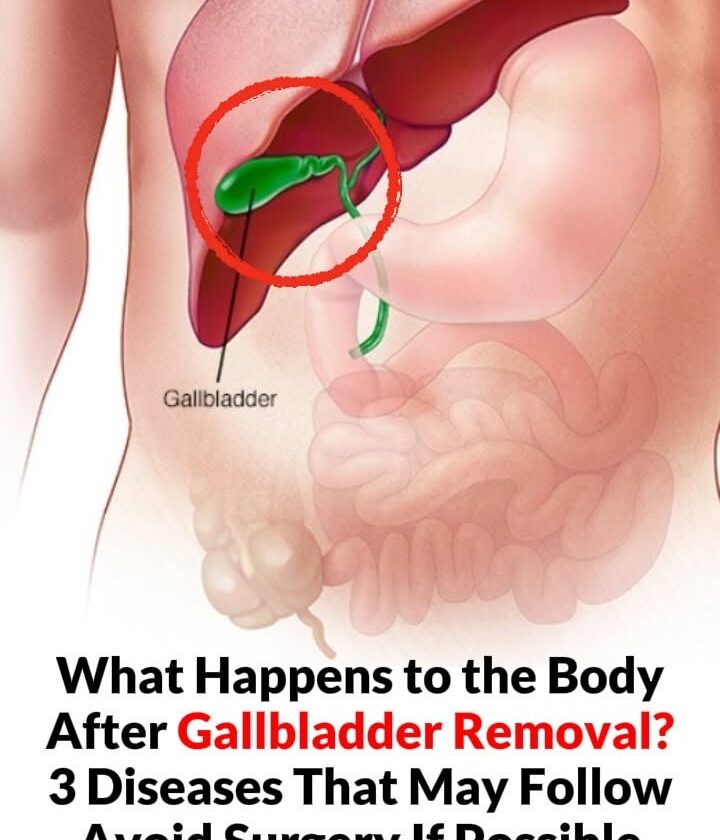
That headline is also misleading and a bit alarmist.
First: gallbladder removal is not something to “avoid if possible” in general
The procedure—Cholecystectomy—is one of the most common and well-studied surgeries worldwide. It is usually done when the gallbladder is causing real problems like:
- painful gallstones
- inflammation (cholecystitis)
- bile duct obstruction
- repeated biliary colic
When it’s medically indicated, avoiding surgery can actually be more dangerous than having it.
What changes after gallbladder removal?
The gallbladder’s job is simple: it stores and concentrates bile. After removal:
- the liver still makes bile normally
- bile just flows continuously into the intestine instead of being stored
Most people adapt well.
Possible effects after surgery (realistic view)
Some people experience:
1) Digestive changes (most common)
- looser stools or diarrhea (especially after fatty meals)
- bloating or urgency
This is often temporary and improves over weeks to months.
2) Post-cholecystectomy syndrome (less common)
A small group may have:
- persistent upper abdominal discomfort
- indigestion-like symptoms
This is usually manageable and not dangerous.
3) Changes in fat digestion
Some people notice they need:
- smaller, lower-fat meals initially
- more gradual dietary adjustment
About “3 diseases that may follow surgery”
Claims like that are usually exaggerated. Some studies discuss associations, not direct cause-and-effect, such as:
- changes in bile flow affecting gut bacteria
- slightly increased risk of certain metabolic or digestive conditions in some populations
But importantly:
- these risks are not common
- and they must be weighed against the risks of leaving diseased gallbladder untreated
When surgery is actually the safer option
If someone has:
- recurrent gallstone attacks
- infection or inflammation
- blocked bile ducts
then delaying surgery can lead to serious complications like:
- pancreatitis
- severe infection
- emergency surgery (which carries higher risk)
Bottom line
Cholecystectomy is not something to avoid “if possible” in a blanket way. It is:
- often life-improving or necessary
- usually well tolerated long-term
- sometimes the safest option compared to leaving gallbladder disease untreated
If you want, I can break down:
- who actually can safely avoid surgery (and manage gallstones without it)
- or what diet helps after gallbladder removal in the first 1–3 months