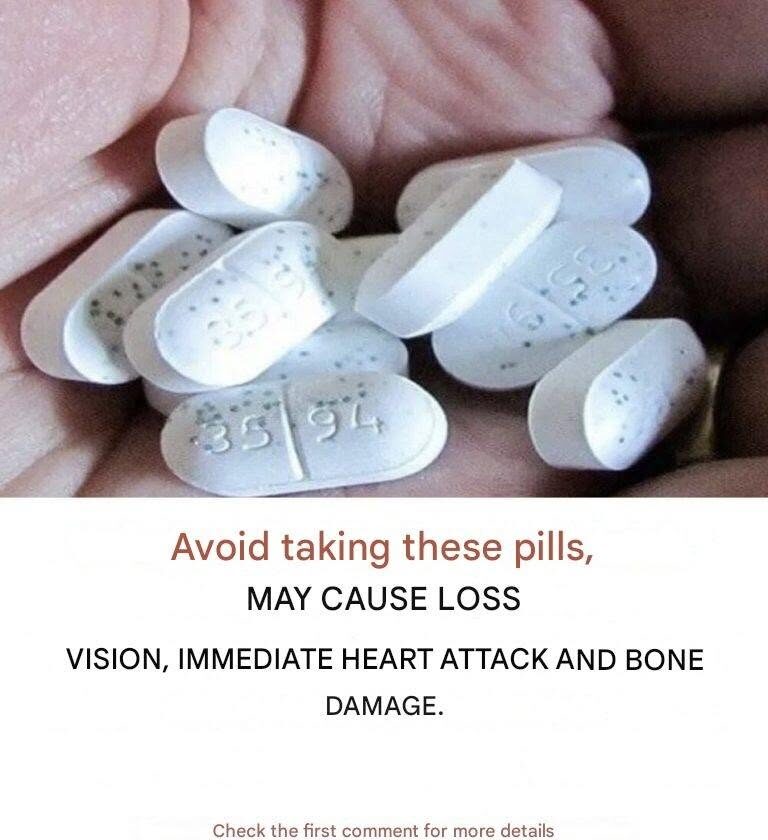
That kind of headline is designed to scare, not to inform.
No medication category can be fairly described as “these tablets cause blood clots, thrombosis, and heart attacks” without specifying which drug, dose, and patient risk factors.
Blood clots and heart attacks are associated with some specific medicines, but usually in rare or context-dependent situations, not universally.
What the science actually says
Certain medications can slightly increase the risk of blood clots or cardiovascular events in some people, for example:
1) Hormonal medicines
Some estrogen-containing therapies (like certain contraceptives or hormone replacement) can increase clot risk in susceptible people.
Related condition: Deep Vein Thrombosis
Risk is higher if someone:
- smokes
- is overweight
- has clotting disorders
- is immobilized
2) Anti-inflammatory painkillers (NSAIDs)
Drugs like ibuprofen or diclofenac (especially long-term or high dose) can slightly raise risk of:
- heart attack
- stroke
- fluid retention
But the absolute risk is still low for most healthy users.
3) Certain cancer or hormonal treatments
Some specialized therapies can increase clot risk because they affect:
- blood clotting balance
- inflammation
- hormone levels
4) Blood-clotting conditions + medications
People already prone to clotting (genetic or medical conditions) may have risk increased by various drugs, but the medication is rarely the sole cause.
Important reality check
Blood clots and heart attacks usually happen due to a combination of factors:
- Hypertension
- smoking
- diabetes
- obesity
- inactivity
- age
- genetic risk
Medication alone is rarely the single trigger.
Why these headlines are misleading
They:
- group unrelated drugs together
- ignore dosage and duration
- ignore individual risk differences
- imply certainty where only small statistical risk increases exist
Bottom line
Some medications can slightly increase risk of blood clots or heart problems in certain people, but:
- it depends on the drug
- it depends on the person
- and benefits often outweigh risks when prescribed correctly
If you want, paste the exact list of “tablets” from that article and I’ll break down which ones are actually risky and which claims are exaggerated.