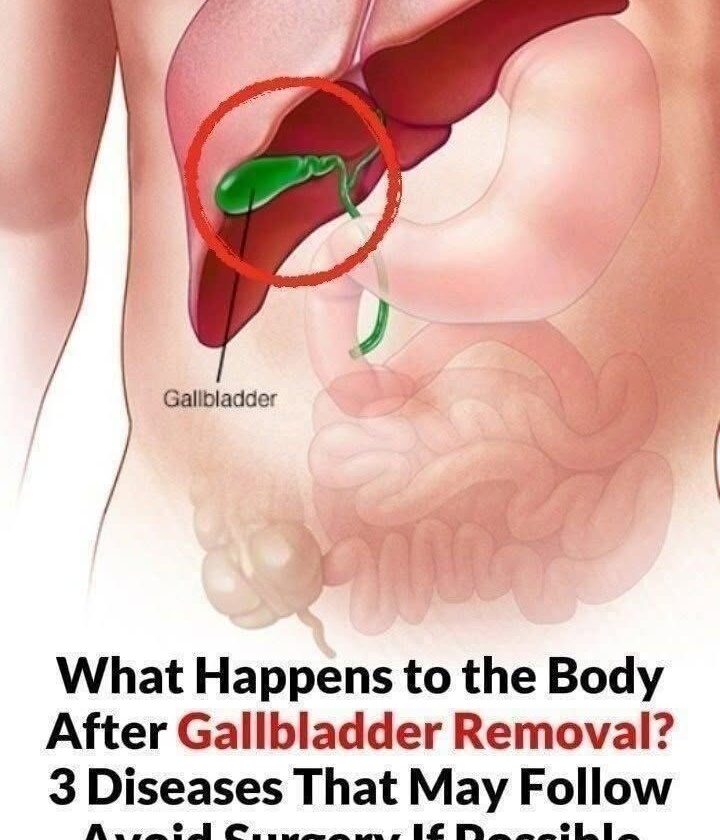
That headline is also misleading and leans into fear-based messaging.
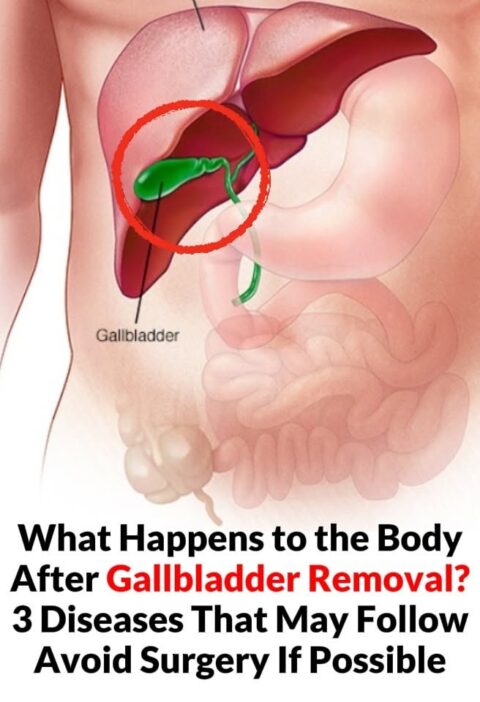
Removal of the gallbladder (called Cholecystectomy) is a very common and well-studied procedure, usually done for gallstones or gallbladder inflammation. For most people, it significantly improves quality of life and prevents serious complications.
What can happen after gallbladder removal (real possibilities)
Most people do fine long-term, but a minority may experience:
- Changes in digestion (especially fatty meals)
- Bile flows continuously into the intestine instead of being stored
- Can cause temporary bloating or loose stools
- Post-cholecystectomy diarrhea
- Happens in a small percentage of patients
- Often mild and treatable with diet or medication
- Bile reflux or mild indigestion
- Rare, but some people feel more reflux-like symptoms
These are usually manageable and often improve over time.
What the headline ignores (important)
Gallbladder removal is recommended because untreated gallbladder disease can be far more dangerous:
- Severe pain attacks (biliary colic)
- Infection of the gallbladder (cholecystitis)
- Pancreatitis (can be life-threatening)
- Blocked bile ducts or jaundice
“Avoid surgery if possible” — when that’s true
Doctors already prefer not to operate unless needed. Surgery is recommended when:
- Symptoms are recurrent or severe
- Complications are present or likely
- Gallstones are causing obstruction or inflammation
If someone has silent, symptom-free gallstones, surgery is often not immediately required.
Bottom line
The claim is designed to scare people away from a standard, often necessary operation. In reality:
- Most patients do very well after gallbladder removal
- The risks of not treating serious gallbladder disease are often higher than the surgery itself
If you want, tell me the situation you’re reading about (symptoms, diagnosis, or concern), and I can explain what doctors typically recommend in that exact case.