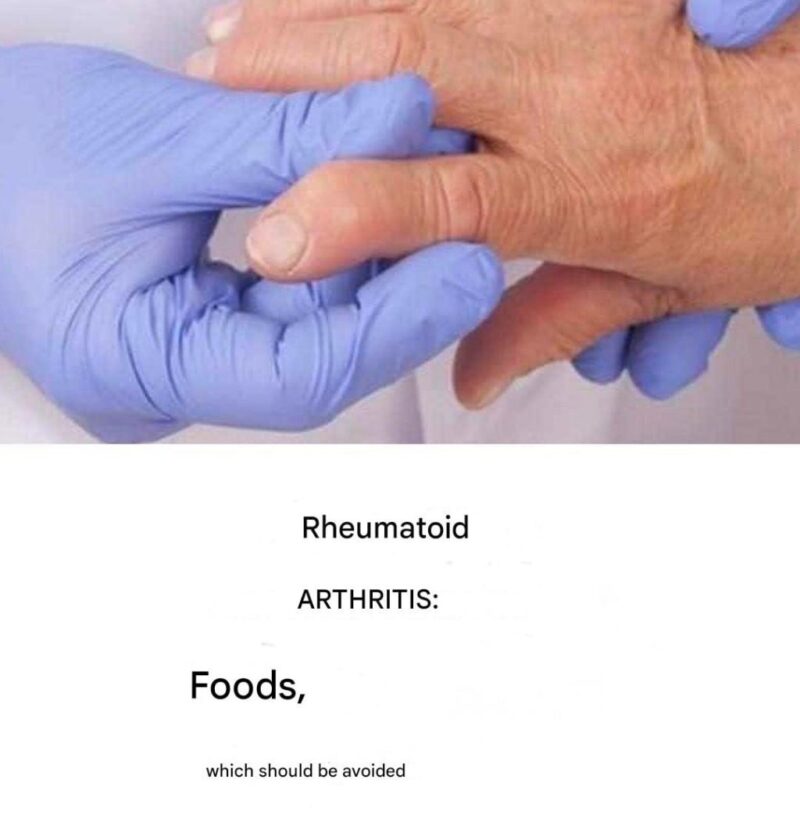
Living with Rheumatoid arthritis is often less about a single constant symptom and more about managing a shifting set of daily challenges that can change in intensity from day to day.
One of the most persistent issues is pain and stiffness, especially in the morning. Many people describe waking up feeling “locked” in their joints—hands, wrists, knees, or feet may take a long time to loosen. That stiffness can turn simple tasks like brushing teeth, gripping a phone, or opening containers into slow, deliberate efforts rather than automatic movements.
Fatigue is another major challenge and is often underestimated. It’s not just ordinary tiredness; it can feel like the body has hit a wall, even after rest. This kind of exhaustion can interfere with work, social plans, and basic household responsibilities. It also tends to fluctuate unpredictably, which makes planning ahead difficult.
Daily functioning can become a constant negotiation. Cooking, cleaning, dressing, or writing may require adaptation—using assistive tools, pacing activities, or taking frequent breaks. On “flare” days, when inflammation suddenly worsens, even minimal movement can feel exhausting or painful, and priorities often shift to simply getting through the day.
There’s also an emotional and cognitive load. The unpredictability of symptoms can create frustration, anxiety, or a sense of loss of control. Some people experience mood changes linked to chronic pain or the strain of long-term management. Concentration can also be affected during flares, sometimes described as “brain fog.”
Work and social life can be impacted in quieter ways. People may need flexible schedules, modified tasks, or occasional absences. Social plans can become harder to commit to because energy levels and symptoms aren’t always predictable, which can sometimes lead to isolation if others don’t fully understand the condition.
Sleep can be disrupted too—either from pain itself or from discomfort that makes it difficult to find a restful position. Over time, this can compound fatigue and affect overall resilience.
Despite these challenges, many people develop strong personal strategies over time: pacing activity, using heat or cold therapy, staying consistent with prescribed treatments, and learning to recognize early signs of flares. The condition often requires ongoing adjustment rather than a fixed routine, but with the right support and treatment, many people maintain active and meaningful daily lives.
If you want, I can break this down into practical coping strategies for specific areas like work, mornings, or flare days.