The headline is dramatic, but the underlying idea is real in a more grounded way: the world’s most essential staple foods are not inherently “lethal,” yet under certain conditions they can carry hidden risks that become serious public-health threats.
Staple foods like rice, wheat, maize (corn), cassava, and potatoes feed billions of people every day. They are generally safe. The danger appears when contamination, poor storage, or unsafe preparation enters the system.
One of the biggest “silent” risks is fungal contamination. In warm and humid storage conditions, crops like maize and peanuts can develop molds that produce mycotoxins, especially aflatoxins. These compounds are not visible and don’t always change taste, but long-term exposure can severely damage the liver and increase cancer risk. This is why proper drying and storage of grains is so critical in many parts of the world.
Rice, another global staple, has a different hidden concern: arsenic accumulation. Rice plants absorb more arsenic from soil and water compared to many other crops. Over time, chronic exposure through a rice-heavy diet can pose health risks, particularly for children. This doesn’t make rice dangerous in normal diets, but it does highlight how environment and agriculture shape food safety.
Then there are microbial threats that can affect almost any staple once it is cooked or stored improperly. Bacteria such as Salmonella and pathogenic strains of Escherichia coli can contaminate cooked rice, bread, or vegetables if hygiene is poor. Improperly stored cooked rice, for example, can allow bacteria to multiply quickly at room temperature.
A more specialized but serious example is Botulism, caused by toxins produced by Clostridium botulinum. It is rare, but improperly canned or preserved foods can create oxygen-free environments where this toxin develops. Even tiny amounts can be extremely dangerous.
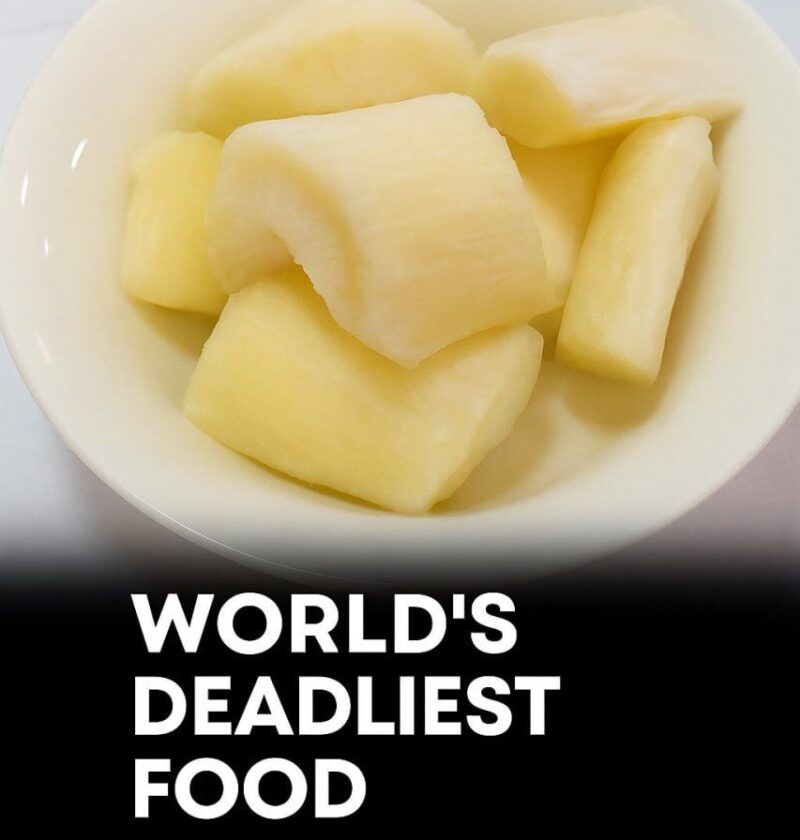
Another widely misunderstood staple-linked risk is cassava. In some regions, improperly processed cassava contains natural cyanogenic compounds. Traditional preparation methods (soaking, fermenting, cooking thoroughly) are what make it safe to eat.
So the “silent threat” isn’t that staple foods are dangerous on their own. It’s that food safety depends on an invisible chain: soil quality, storage conditions, transport, hygiene, and cooking practices. When any link in that chain fails, even the most basic foods can become harmful.
In short, the real story is not about fear—it’s about infrastructure and awareness. The same foods that sustain humanity can also reflect the environmental and safety conditions in which they are produced.