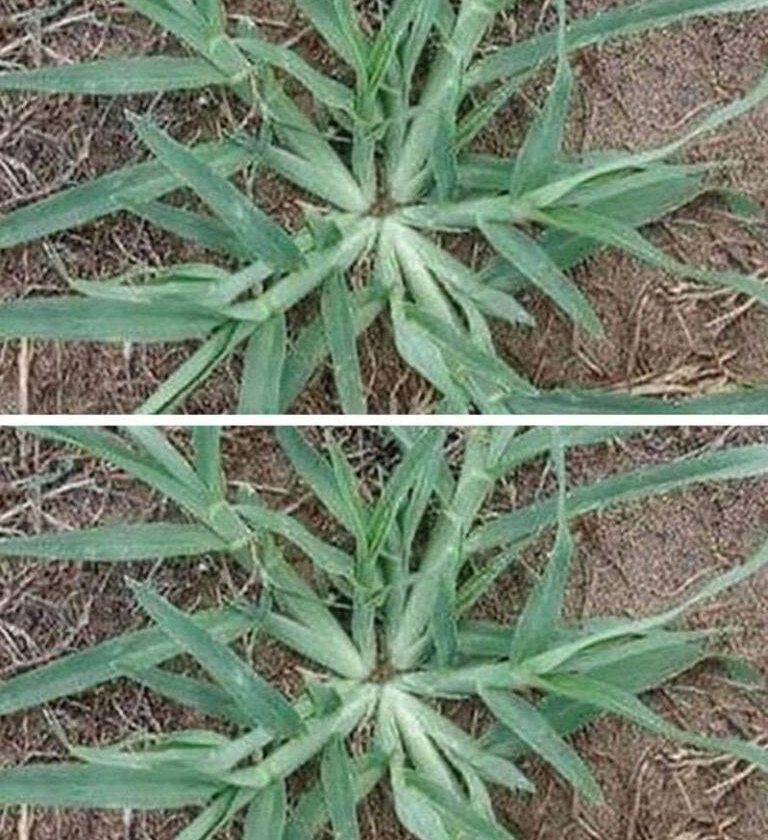
That headline is classic clickbait—it suggests there’s a single “mystery plant” you should never remove, but in reality it depends entirely on what the plant actually is.
There is no universal garden plant that should never be uprooted. In fact, in gardening, whether you remove a plant depends on things like:
- whether it’s invasive
- whether it’s harmful or toxic
- whether it’s useful (medicinal, edible, pollinator-friendly)
- whether it’s simply a weed competing with your crops
Why this myth exists
These warnings usually come from social media posts about specific plants that get exaggerated into “never remove this!” for attention.
For example:
- Some plants are beneficial in certain contexts (like supporting pollinators or improving soil)
- But the same plants can become weeds if they spread aggressively
The important truth
A plant is only “don’t uproot it” if:
- You can correctly identify it, and
- It has a clear benefit in your garden, and
- It is not harming nearby plants or spreading uncontrollably
Without identification, the advice is meaningless—and potentially risky if it stops you from removing an invasive weed.
If you saw this online
It’s likely referring to a specific plant (sometimes things like medicinal herbs or so-called “indicator plants”), but the claim gets stripped of context.
If you want, send a photo or describe the plant (leaf shape, flowers, where it grows), and I’ll tell you exactly what it is and whether you should keep it or remove it.