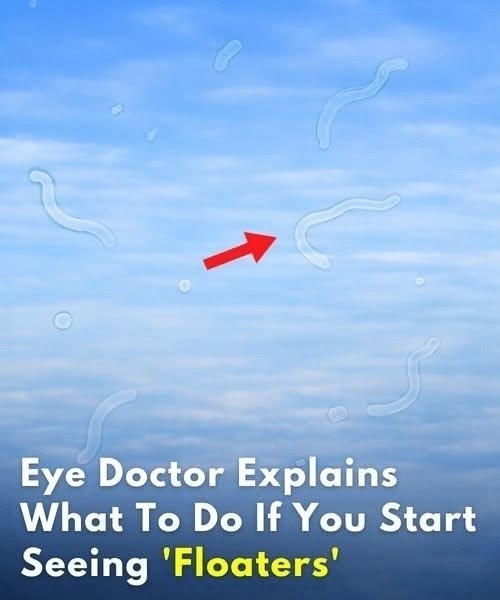
What Are Eye Floaters?
Eye floaters are caused by small clumps or strands within the gel-like substance (vitreous) that fills the inside of your eye. As light enters the eye, these tiny particles cast shadows on the retina, making them appear as floating spots or lines.
Many people develop floaters as a natural part of aging, especially after age 50.
Common Causes of Eye Floaters
Floaters may occur due to:
- Natural aging of the vitreous gel
- A normal separation of the vitreous from the retina (posterior vitreous detachment)
- Nearsightedness (myopia)
- Eye injury
- Eye inflammation
- Complications after eye surgery
- Bleeding inside the eye
- Retinal tears or retinal detachment
When Are Floaters an Emergency?
Most floaters are not dangerous, but certain symptoms require immediate evaluation by an eye care professional.
Seek emergency eye care if you notice:
- A sudden shower of new floaters
- Bright flashes of light
- A dark curtain or shadow moving across your vision
- Sudden loss of side (peripheral) vision
- Blurred or reduced vision along with new floaters
- Floaters after significant eye trauma
These symptoms may indicate a retinal tear or retinal detachment, which can permanently affect vision if not treated promptly.
What You Should Do If You Notice New Floaters
If you begin seeing new floaters:
- Pay attention to when they started and whether they are increasing.
- Notice if flashes of light or vision loss are occurring.
- Avoid ignoring sudden or dramatic changes.
- Arrange a comprehensive dilated eye examination as soon as possible.
- Seek emergency care immediately if symptoms are severe or rapidly worsening.
How Eye Floaters Are Diagnosed
An eye doctor will usually:
- Ask about your symptoms and medical history.
- Check your visual acuity.
- Dilate your pupils to examine the retina and vitreous thoroughly.
- Look for retinal tears, bleeding, or signs of retinal detachment.
In some cases, additional retinal imaging or ultrasound may be needed if the retina cannot be clearly seen.
Can Eye Floaters Be Treated?
Treatment depends on the underlying cause.
- Benign floaters: Usually require no treatment and often become less noticeable over time.
- Retinal tears: May be treated with laser therapy or freezing treatment (cryotherapy).
- Retinal detachment: Usually requires urgent surgery.
- Persistent, severe floaters: In carefully selected cases, treatments such as vitrectomy or laser vitreolysis may be considered, though they carry risks and are not appropriate for everyone.
Tips for Living With Harmless Floaters
If your eye doctor confirms your floaters are benign:
- Move your eyes up and down to shift floaters out of your central vision.
- Wear sunglasses outdoors to reduce glare.
- Keep up with routine eye examinations.
- Monitor for any sudden changes in symptoms.
Can Eye Floaters Be Prevented?
Most age-related floaters cannot be prevented. However, you can reduce your risk of serious eye problems by:
- Protecting your eyes from injury.
- Managing conditions such as diabetes and high blood pressure.
- Attending regular comprehensive eye exams.
- Seeking prompt evaluation for any sudden changes in vision.
The Bottom Line
Most eye floaters are a normal part of aging and do not require treatment. However, a sudden increase in floaters—especially when accompanied by flashes of light, a curtain-like shadow, or vision loss—should never be ignored. Prompt evaluation by an eye doctor can identify potentially sight-threatening conditions early and improve the chances of preserving your vision. If you’re ever unsure whether your floaters are normal, it’s safest to have yo