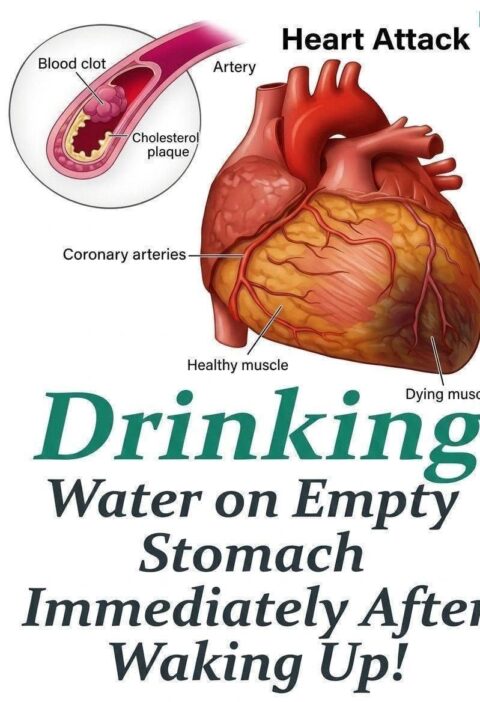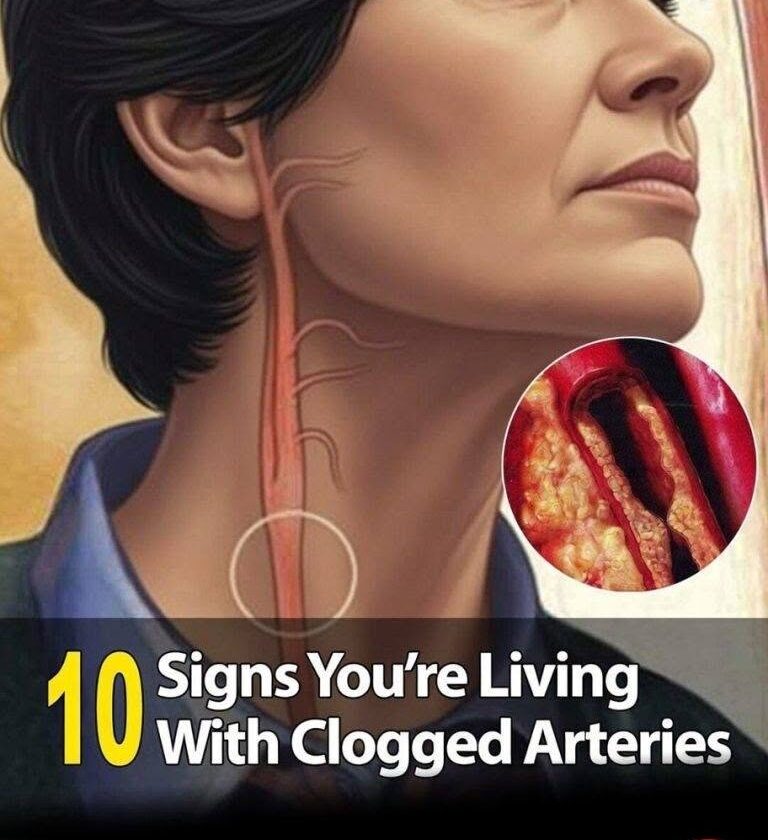
Blocked arteries usually refer to atherosclerosis, where fatty deposits (plaques) narrow or harden arteries, reducing blood flow to the heart, brain, or limbs.
Atherosclerosis
Coronary artery disease
Below are 10 important warning signs you shouldn’t ignore:
1. Chest Pain or Pressure (Angina)
- Tightness, squeezing, or heaviness in the chest
- Often triggered by activity or stress
- May improve with rest
This is one of the most common signs of reduced heart blood flow.
2. Shortness of Breath
- Feeling breathless during mild activity or rest
- Can indicate the heart isn’t pumping efficiently due to narrowed arteries
3. Fatigue or Low Energy
- Unusual tiredness even after normal activities
- Happens when organs receive less oxygen-rich blood
4. Pain in Legs While Walking (Claudication)
- Cramping or pain in calves, thighs, or hips during walking
- Improves with rest
- Often linked to peripheral artery disease
5. Cold Hands or Feet
- Reduced circulation in extremities
- May feel colder than the rest of the body
6. Numbness or Weakness
- Tingling or reduced strength in arms or legs
- Suggests poor blood flow to nerves and muscles
7. Dizziness or Lightheadedness
- Especially when standing or exerting yourself
- Can occur when brain blood flow is reduced
8. Slow-Healing Wounds
- Cuts or sores, especially on legs or feet, take longer to heal
- Indicates poor circulation and oxygen delivery
9. Erectile Dysfunction (in men)
- Early sign of vascular disease
- Often appears years before heart symptoms
10. Chest Discomfort Radiating to Other Areas
- Pain spreading to:
- Left arm
- Jaw
- Neck
- Back
- May signal reduced heart blood supply or impending heart attack
When to Seek Emergency Help
Seek immediate care if you experience:
- Severe chest pain lasting >10 minutes
- Chest pain with sweating, nausea, or shortness of breath
- Sudden weakness on one side of the body
- Fainting or collapse
Key Point
Blocked arteries often develop silently for years. Symptoms usually appear when narrowing becomes significant or blood flow is critically reduced.
Early lifestyle changes can slow or even stabilize the process:
- Regular exercise (especially walking or aerobic activity)
- Healthy diet low in trans fats and processed foods
- Smoking cessation
- Blood pressure and cholesterol control
If you want, I can also explain how doctors test for blocked arteries (ECG, angiography, CT scan) or how to reduce plaque naturally and medically.