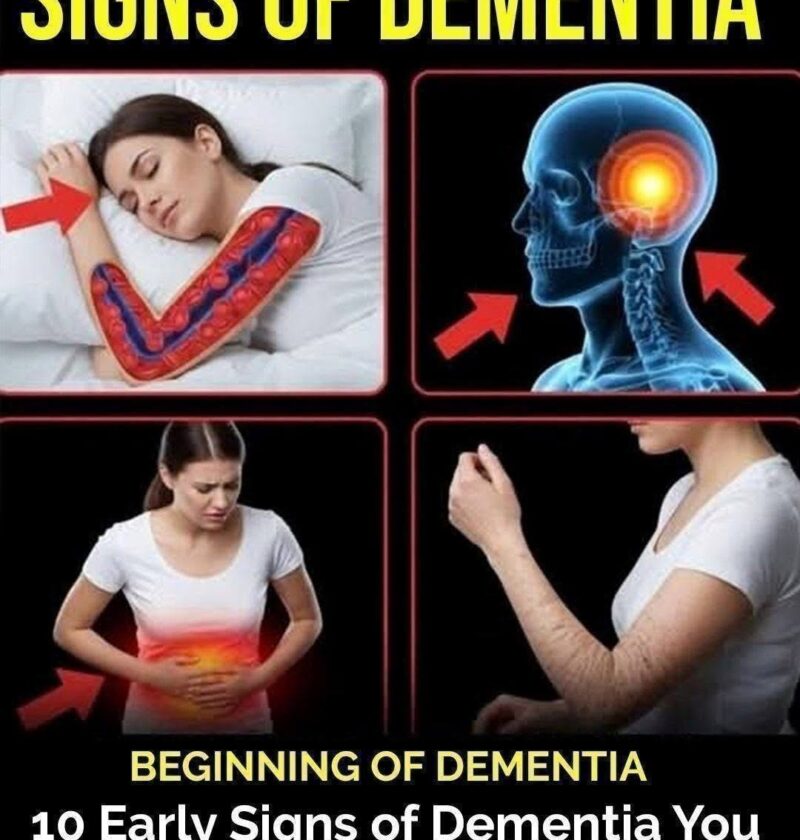
Dementia is not a single disease but a group of symptoms caused by disorders that damage the brain. It affects memory, thinking, language, judgment, and the ability to perform everyday activities. While some memory changes are a normal part of aging, dementia involves a decline that interferes with daily life.
The most common cause is Alzheimer’s disease, but other causes include Vascular dementia, Dementia with Lewy bodies, and Frontotemporal dementia.
Early Signs to Watch For
1. Memory Loss That Disrupts Daily Life
Occasionally forgetting names or appointments is common. A warning sign is frequently forgetting recently learned information, repeating the same questions, or relying increasingly on notes or family members for reminders.
2. Difficulty Planning or Solving Problems
Tasks that once seemed routine—such as following a recipe, paying bills, or managing medications—may become confusing or take much longer than before.
3. Trouble Completing Familiar Tasks
Someone may struggle to drive to a familiar location, operate household appliances, or remember the steps of a favorite activity.
4. Confusion About Time or Place
People may lose track of dates, seasons, or where they are. They might become disoriented even in familiar surroundings.
5. Problems Finding Words
Difficulty following conversations, pausing frequently to search for words, or calling objects by incorrect names can be early signs.
6. Poor Judgment
Examples include giving away large sums of money, neglecting personal hygiene, or making unsafe decisions that are out of character.
7. Misplacing Items
Occasionally losing keys is normal. In dementia, people may put items in unusual places—such as a wallet in the refrigerator—and be unable to retrace their steps.
8. Changes in Mood or Personality
Individuals may become more anxious, suspicious, depressed, irritable, or withdrawn from social activities they once enjoyed.
9. Reduced Interest in Activities
Loss of motivation, avoiding hobbies, or withdrawing from family and friends can occur early in the disease.
When Should You Seek Medical Advice?
Arrange a medical evaluation if memory or thinking problems:
- Interfere with work, finances, or daily activities.
- Are noticed by family or friends.
- Are getting progressively worse.
- Occur alongside changes in behavior or personality.
Early evaluation is important because some conditions that resemble dementia are treatable.
Conditions That Can Mimic Dementia
Several medical problems can cause memory or thinking difficulties but may improve with treatment, including:
- Vitamin B12 deficiency
- Hypothyroidism
- Medication side effects
- Depression
- Sleep disorders such as Obstructive sleep apnea
- Infections or metabolic disorders
How Is Dementia Diagnosed?
A healthcare professional may recommend:
- A detailed medical history and physical examination.
- Memory and thinking assessments.
- Blood tests to identify reversible causes.
- Brain imaging such as Magnetic resonance imaging or Computed tomography when appropriate.
- Referral to a neurologist or memory clinic if needed.
What Can You Do to Reduce Risk?
Although not all dementia can be prevented, healthy lifestyle habits may lower the risk or delay its onset:
- Exercise regularly, including aerobic and strength-training activities.
- Control blood pressure, cholesterol, and blood sugar.
- Eat a balanced diet rich in vegetables, fruits, whole grains, fish, and healthy fats.
- Stay mentally active by learning new skills, reading, or solving puzzles.
- Maintain social connections.
- Get adequate sleep.
- Avoid smoking and limit alcohol intake.
Why Early Detection Matters
Recognizing symptoms early can:
- Identify treatable causes of memory problems.
- Allow earlier treatment to help manage symptoms.
- Support planning for future healthcare and finances.
- Give individuals and families time to access education, support services, and community resources.
- Encourage healthy lifestyle changes that may help preserve brain function.
Key Takeaway
Persistent memory loss, confusion, language difficulties, poor judgment, or changes in personality are not considered a normal part of aging when they interfere with daily life. An early medical evaluation can identify reversible conditions, clarify the diagnosis, and provide access to treatments and support that may improve quality of life.