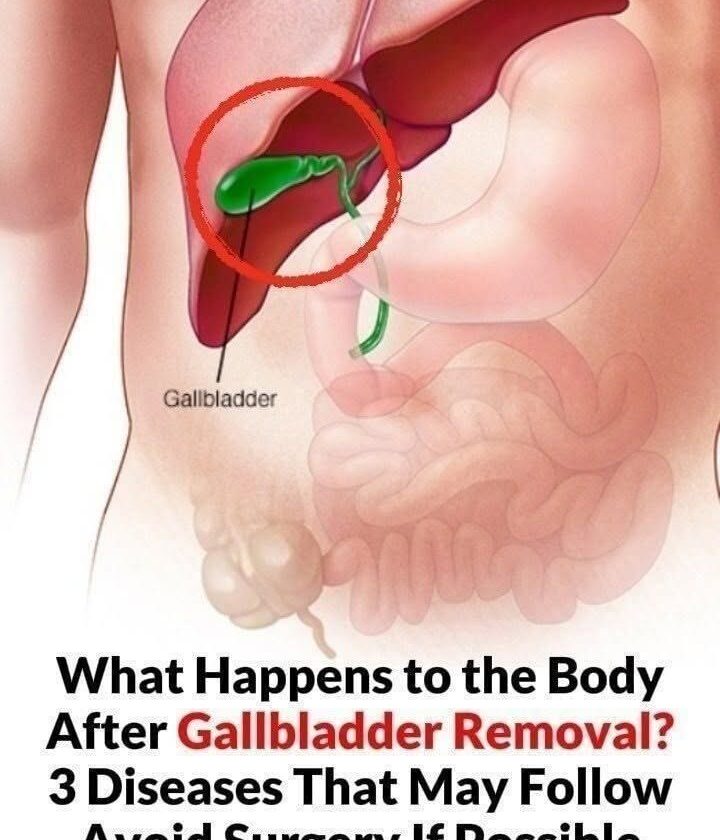
The idea that you should always avoid gallbladder removal when possible is misleading. The right choice depends on the reason for surgery and your individual health situation.
3 Conditions or Issues That Can Occur After Gallbladder Removal
1. Post-cholecystectomy diarrhea
Some people develop looser or more frequent stools after surgery. This may happen because bile flows more continuously into the intestine instead of being stored and released with meals.
What may help:
- Reducing very fatty meals
- Eating smaller meals more often
- Gradually increasing fiber if tolerated
- Discussing persistent symptoms with a healthcare professional
2. Bile reflux or digestive discomfort
A small number of people experience symptoms such as:
- Upper abdominal discomfort
- Nausea
- Indigestion
- Bloating
These symptoms can have multiple causes and are not always directly caused by gallbladder removal.
3. Changes in fat digestion
The gallbladder helps regulate bile release for digesting fats. Without it, most people can still digest food normally, but some may notice they do better with:
- Less greasy or fried food
- Moderate fat portions
- A balanced diet
Why Gallbladder Removal Is Sometimes Necessary
Doctors may recommend surgery when there is:
- Recurrent painful gallstone attacks
- Gallbladder inflammation (cholecystitis)
- Blocked bile ducts
- Pancreatitis caused by gallstones
- Certain gallbladder complications
Leaving serious gallbladder disease untreated can also carry risks, including infection or more severe complications.
Before Surgery: Questions to Ask Your Doctor
- What is the exact reason surgery is recommended?
- Are there alternatives in my situation?
- What are the risks of waiting?
- What changes should I expect after surgery?
Bottom line: Gallbladder removal is not something to avoid at all costs, but it also should not be done without a clear medical reason. A careful discussion with a qualified healthcare professional can help determine whether surgery is the best option for you.