10 Early Warning Signs of a Stroke Everyone Should Know
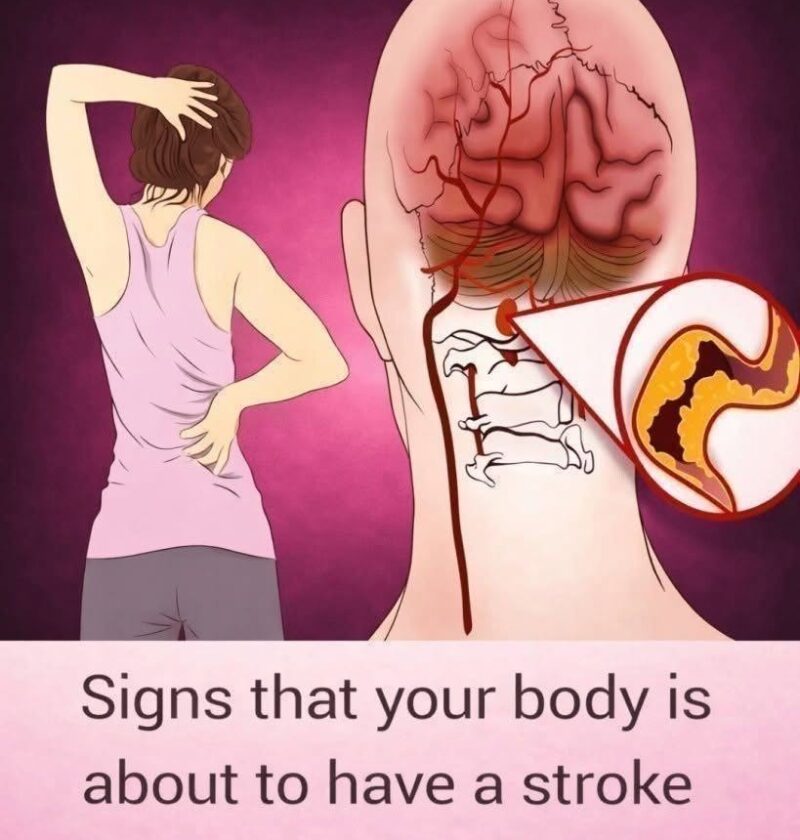
A stroke happens when blood flow to part of the brain is interrupted or when a blood vessel in the brain bleeds. Quick recognition and treatment can greatly improve outcomes, so knowing the warning signs is important.
A simple way to remember the main signs is BE FAST:
- B — Balance: Sudden loss of balance, dizziness, or trouble walking
- E — Eyes: Sudden vision changes in one or both eyes
- F — Face: One side of the face droops or feels numb
- A — Arms: Sudden weakness or numbness in one arm (or leg), especially on one side
- S — Speech: Slurred speech, confusion, or difficulty understanding words
- T — Time: Call emergency services immediately if these signs appear
10 Warning Signs to Watch For
1. Sudden Face Drooping
One side of the face may appear uneven, or a person may have difficulty smiling.
2. Sudden Arm or Leg Weakness
Weakness, heaviness, or numbness—especially on one side of the body—is a common warning sign.
3. Trouble Speaking or Understanding
A person may:
- Slur words
- Use incorrect words
- Struggle to understand others
4. Sudden Vision Problems
Possible symptoms include:
- Blurred vision
- Double vision
- Loss of vision in one eye or both eyes
5. Sudden Severe Headache
A sudden, intense headache that is unusual for the person—especially with other symptoms—can be a warning sign.
6. Loss of Balance or Coordination
Difficulty walking, dizziness, or poor coordination may occur.
7. Confusion or Sudden Mental Changes
Sudden trouble thinking clearly, confusion, or unusual behavior can indicate a stroke.
8. Numbness or Tingling
Sudden numbness, especially affecting one side of the body, should be taken seriously.
9. Difficulty Swallowing
Stroke can affect the muscles involved in swallowing, causing choking or coughing while eating or drinking.
10. Sudden Loss of Function
Any sudden change in the ability to perform normal activities—such as moving, speaking, or seeing—needs urgent evaluation.
What to Do If You Suspect a Stroke
Act immediately. Call emergency services. Do not wait to see if symptoms improve.
Remember:
- Note the time symptoms started (or the last time the person was known to be well).
- Do not give food, drinks, or medications unless advised by medical professionals.
- Do not drive the person yourself if emergency services are available.
Why Fast Action Matters
Some stroke treatments work best when given soon after symptoms begin. Delaying care can increase the risk of permanent brain injury.
Key message: A stroke can happen suddenly. Recognizing the warning signs and getting emergency help quickly can save brain function and lives.