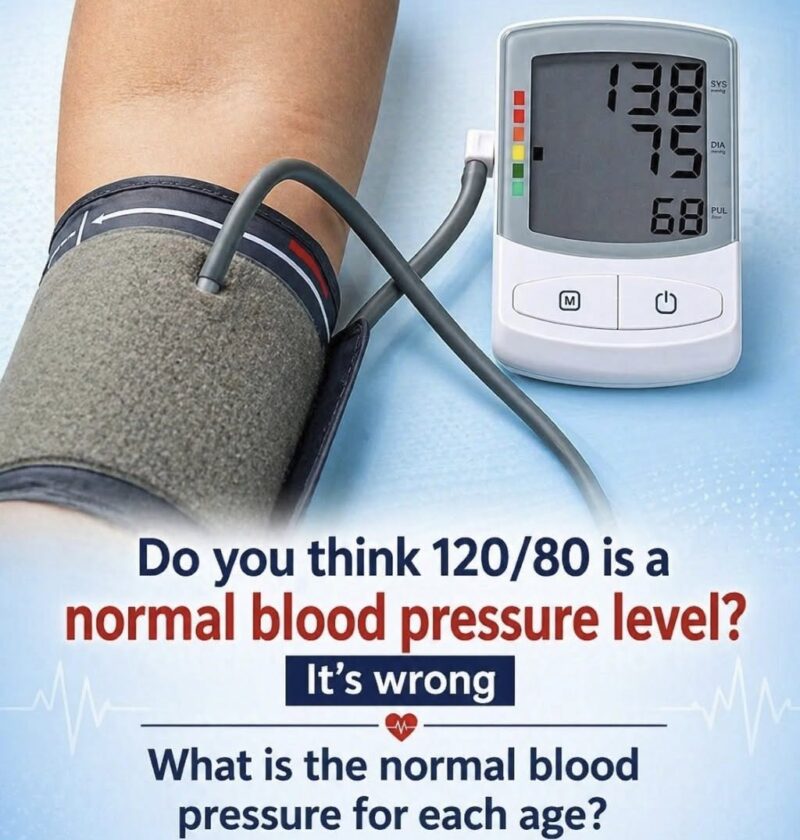
What Is Normal Blood Pressure for Your Age? A Clear GuideA common misconception is that blood pressure has a completely different “normal” range for every age. In reality, healthy blood pressure targets are based on your overall health, medical conditions, and risk factors—not age alone.
Blood pressure is measured with two numbers:
- Systolic pressure (top number): pressure when the heart beats
- Diastolic pressure (bottom number): pressure when the heart relaxes
General Blood Pressure Categories (Adults)
| Reading | Category |
|---|---|
| Less than 120/80 mmHg | Normal |
| 120–129 and less than 80 | Elevated |
| 130–139 or 80–89 | High blood pressure (Stage 1) |
| 140 or higher or 90 or higher | High blood pressure (Stage 2) |
Blood Pressure by Age Group (General Guidance)
Ages 18–39
- Many healthy adults are around below 120/80 mmHg.
- Maintaining healthy weight, exercise, and diet can help prevent future problems.
Ages 40–59
- Blood pressure may gradually rise with age.
- Many adults are advised to aim for below 130/80 mmHg, depending on their health profile.
Ages 60–79
- Blood pressure goals are individualized.
- Keeping blood pressure controlled can help reduce the risk of stroke, heart disease, and kidney problems.
Ages 80 and older
- Doctors often consider overall health, frailty, fall risk, and medication effects when setting a target.
Important: “Normal for my age” does not mean “higher is okay”
It is a myth that high blood pressure is simply a normal part of getting older. While blood vessels can become less flexible with age, consistently high readings still deserve attention.
How to Check Blood Pressure Correctly
- Sit quietly for 5 minutes before measuring.
- Keep feet flat on the floor and your arm supported.
- Avoid checking right after exercise, caffeine, or smoking.
- Take several readings over different days for a clearer picture.
When to Seek Medical Advice
Contact a healthcare professional if:
- Your readings are repeatedly high
- You have symptoms such as chest pain, severe headache, confusion, weakness, or shortness of breath
- Your blood pressure suddenly changes from your usual pattern
A single reading does not diagnose hypertension—the pattern over time matters. If you share your age and your usual blood pressure numbers, I can help explain where they fall.