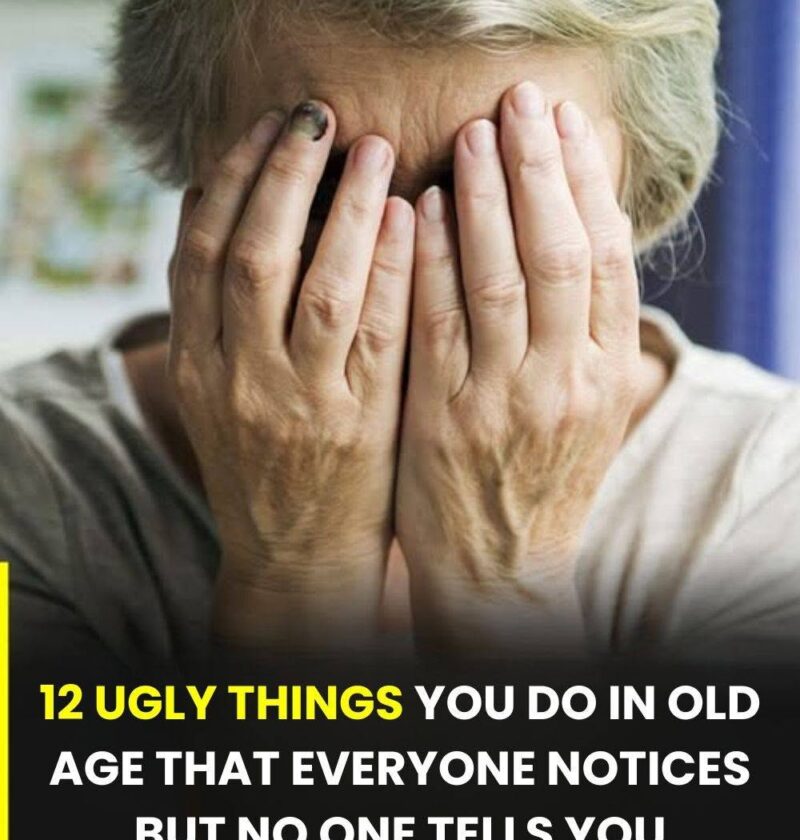
It’s easy to develop habits with age that other people notice but may hesitate to mention. These behaviors aren’t inevitable, and many have practical causes that can be managed. Here are 12 common examples:
- Speaking too loudly (or too softly): Changes in hearing can make it harder to judge your own volume.
- Repeating the same stories: Memory changes can make it difficult to remember what you’ve already shared with the same people.
- Interrupting conversations: Hearing difficulties or fear of forgetting a thought may lead someone to jump in before others finish speaking.
- Neglecting personal hygiene: Mobility issues, depression, cognitive changes, or reduced sense of smell can make bathing, oral care, or laundry more challenging.
- Developing noticeable body odor or bad breath: Changes in sweat, medications, dry mouth, or less frequent hygiene can contribute.
- Complaining frequently about aches, health, or “the good old days”: It’s natural to discuss ongoing challenges, but if it dominates conversations, others may find it difficult to engage.
- Ignoring hearing loss: Saying “What?” often or misunderstanding conversations can frustrate both the person and those around them. Hearing aids or evaluation may help.
- Eating with loud chewing or talking while eating: Dental issues, ill-fitting dentures, or reduced awareness can affect table manners.
- Driving when it’s no longer safe: Slower reaction times or vision changes can increase risk, even if it’s hard to recognize personally.
- Being resistant to change: Dismissing new technology, ideas, or routines can sometimes create distance with younger family members or coworkers.
- Forgetting appointments or names without using reminders: Occasional forgetfulness is common, but calendars, phone reminders, and notes can make daily life easier.
- Invading personal space or unintentionally staring: Vision or hearing difficulties may cause someone to stand closer or look more intently during conversations.
These behaviors are not universal. Many older adults don’t experience them, and when they do occur, they’re often linked to treatable issues such as hearing or vision loss, medication side effects, arthritis, dental problems, or underlying medical conditions rather than age alone.
The most helpful approach—for yourself or a loved one—is regular checkups, staying physically and socially active, being open to feedback from trusted people, and addressing hearing, vision, dental, or mobility concerns early. Small adjustments can make a noticeable difference in comfort, confidence, and day-to-day interactions.