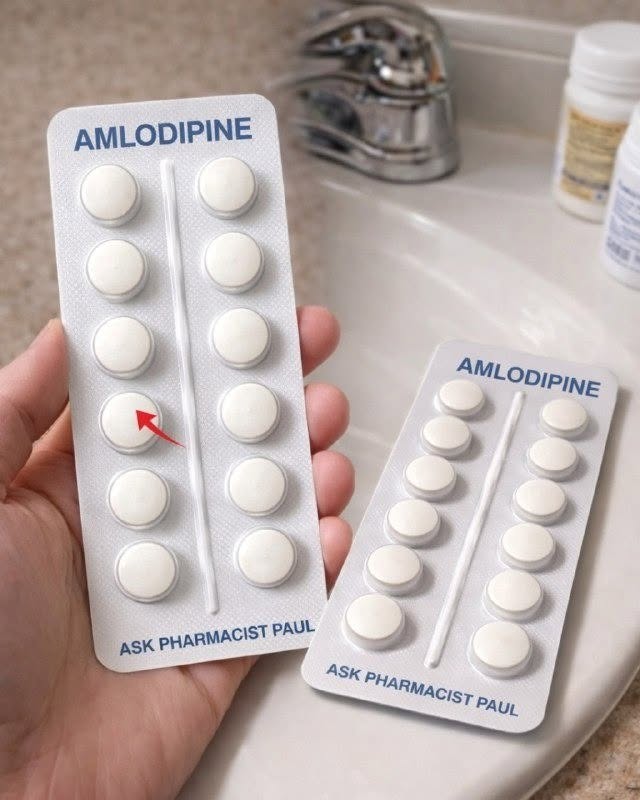
If you’re taking Amlodipine to treat high blood pressure or certain heart conditions, some habits can reduce its effectiveness or increase the risk of side effects. Here are eight worth reviewing with your healthcare provider.
- Eating large amounts of grapefruit or drinking grapefruit juice
- Grapefruit can increase amlodipine levels in some people, potentially leading to lower blood pressure than intended, dizziness, or swelling. It’s best to ask your healthcare provider whether you should avoid it.
- Skipping doses or stopping the medication on your own
- Blood pressure often has no symptoms. Stopping amlodipine suddenly can allow blood pressure to rise again or worsen chest pain in people taking it for angina.
- Taking over-the-counter medicines without checking first
- Some medicines, especially certain cold remedies and Nonsteroidal anti-inflammatory drugs (such as Ibuprofen and Naproxen), can affect blood pressure or interact with your treatment plan.
- Drinking excessive alcohol
- Alcohol can add to amlodipine’s blood-pressure-lowering effect, increasing the chance of dizziness, lightheadedness, or fainting.
- Eating a consistently high-sodium diet
- Too much salt can make high blood pressure harder to control, even when you’re taking medication.
- Standing up too quickly
- Especially when starting amlodipine or after a dose increase, getting up suddenly can cause dizziness due to a temporary drop in blood pressure.
- Ignoring swollen ankles or feet
- Swelling in the ankles and feet is a common side effect of amlodipine. Don’t stop the medication yourself, but let your healthcare provider know if the swelling is bothersome, worsening, or accompanied by shortness of breath.
- Smoking
- Smoking damages blood vessels and increases the risk of heart attack and stroke, working against the cardiovascular benefits of blood pressure treatment.
Additional tips
- Take amlodipine at about the same time each day.
- Monitor your blood pressure if your healthcare provider recommends it.
- Stay physically active, maintain a healthy weight, and eat a balanced diet such as the Dietary Approaches to Stop Hypertension diet.
- Tell your healthcare provider about all prescription medicines, over-the-counter drugs, vitamins, and herbal supplements you take.
If you experience severe dizziness, fainting, chest pain, difficulty breathing, or signs of an allergic reaction after taking amlodipine, seek medical attention promptly.