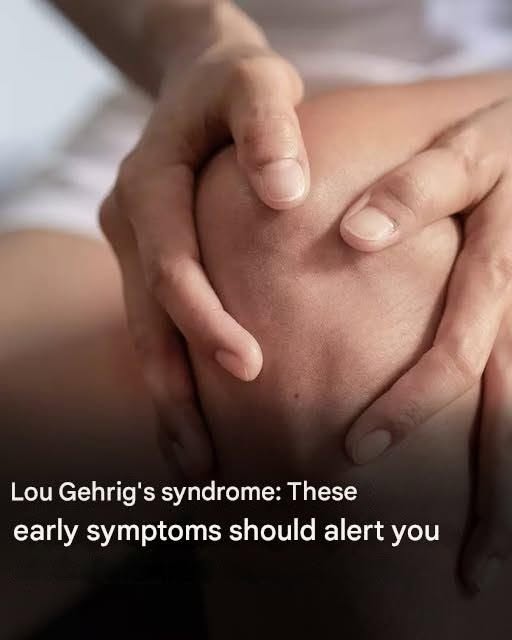
Amyotrophic lateral sclerosis, commonly called Lou Gehrig’s disease, is a progressive neurological disorder that affects the nerve cells controlling voluntary muscles. Early symptoms often develop gradually and can vary depending on which muscles are affected first.
Common early symptoms include:
- Muscle weakness in one hand, arm, leg, or foot, making everyday tasks more difficult.
- Muscle twitching (fasciculations), especially in the arms, shoulders, tongue, or legs.
- Muscle cramps or stiffness.
- Difficulty with fine motor tasks, such as buttoning clothes, writing, or turning keys.
- Tripping or stumbling due to weakness in the legs or feet.
- Slurred speech or a softer voice if the muscles involved in speaking are affected first.
- Difficulty swallowing, which may begin with occasional choking on food or liquids.
As the disease progresses, symptoms typically spread to other muscle groups, leading to increasing weakness and loss of muscle control. However, thinking, memory, and the senses (such as vision, hearing, taste, smell, and touch) are often preserved, particularly in the early stages.
It’s important to note that these symptoms can also be caused by many other, often more common and treatable, conditions. If someone develops persistent muscle weakness, unexplained muscle twitching accompanied by weakness, or ongoing problems with speech or swallowing, they should seek evaluation by a healthcare professional—often a neurologist—for a proper diagnosis.
There is currently no cure for ALS, but earlier diagnosis can help people access treatments, supportive therapies, and multidisciplinary care that may improve quality of life and slow disease progression in some cases.