What Is the Normal Blood Pressure for Each Age?
Blood pressure is one of the most important measurements of heart health. It shows how strongly blood is pushing against the walls of your arteries as your heart pumps.
Many people wonder: “What should my blood pressure be at my age?” While age can influence blood pressure, there is no single perfect number for every person. Factors such as overall health, medications, activity level, and medical conditions also matter.
Understanding Blood Pressure Numbers
A blood pressure reading has two numbers:
- Systolic pressure (top number): The pressure when your heart beats.
- Diastolic pressure (bottom number): The pressure when your heart relaxes between beats.
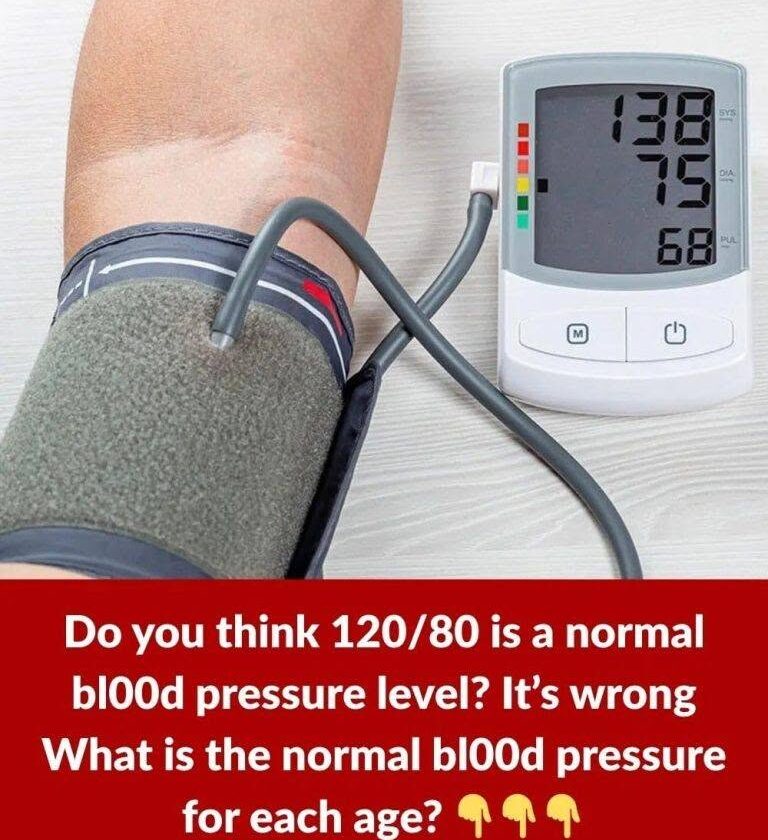
For example, a reading of 120/80 mmHg means:
- 120 = systolic pressure
- 80 = diastolic pressure
General Blood Pressure Ranges by Age
Ages 18–39
A commonly healthy range is around:
90/60 to 120/80 mmHg
Younger adults often have lower blood pressure, especially if they are physically active.
Ages 40–59
A typical healthy target is often:
Around 120/80 mmHg
Blood pressure may slowly increase with age due to changes in blood vessels and lifestyle factors.
Ages 60–79
Many health professionals consider:
Around 120–130/80 mmHg
to be a common target for many healthy adults, although individual goals may differ.
Age 80 and Older
Blood pressure goals may be more personalized. Many older adults are advised to keep blood pressure controlled while avoiding levels that are too low, which may increase the risk of dizziness or falls.
Blood Pressure Categories for Adults
| Category | Systolic (Top Number) | Diastolic (Bottom Number) |
|---|---|---|
| Normal | Less than 120 | Less than 80 |
| Elevated | 120–129 | Less than 80 |
| High Blood Pressure (Stage 1) | 130–139 | 80–89 |
| High Blood Pressure (Stage 2) | 140 or higher | 90 or higher |
| Very High | 180 or higher | 120 or higher |
Why Blood Pressure Changes With Age
As people get older, several changes can affect blood pressure:
- Arteries may become less flexible
- The heart and blood vessels may change
- Activity levels may decrease
- Weight and diet may influence pressure
- Certain health conditions may develop
These changes do not mean high blood pressure is unavoidable. Healthy habits can make a major difference.
How to Maintain Healthy Blood Pressure
To support healthy blood pressure:
- Eat a balanced diet with fruits, vegetables, and whole grains
- Reduce excessive salt intake
- Stay physically active
- Maintain a healthy weight
- Avoid smoking
- Limit excessive alcohol
- Manage stress
- Get regular blood pressure checks
When to Seek Medical Attention
A single high reading does not always mean you have high blood pressure. However, medical advice is important if readings are consistently high.
Seek urgent help if blood pressure is extremely high (around 180/120 mmHg or higher) or if it is accompanied by symptoms such as:
- Chest pain
- Severe headache
- Shortness of breath
- Confusion
- Weakness or numbness
The Bottom Line
There is no “perfect” blood pressure number that applies to every age group. For most adults, a reading close to 120/80 mmHg is considered healthy, but personal targets may vary.
The best approach is to monitor your blood pressure regularly and work with a healthcare professional to understand what range is right for your individual health.