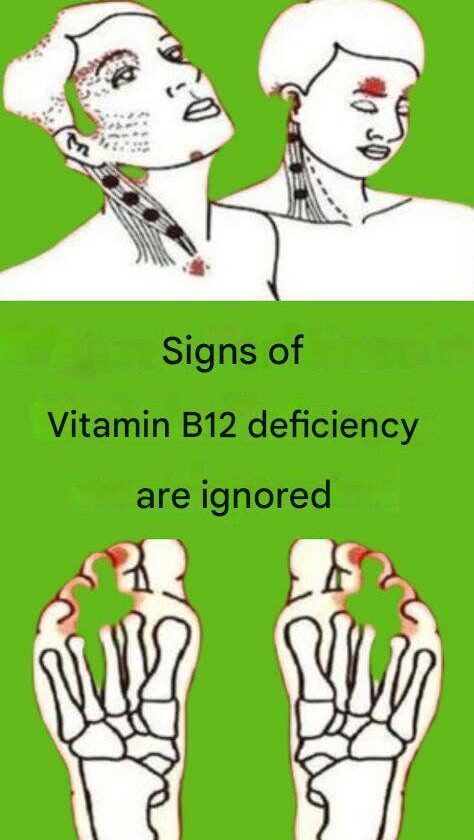
Vitamin B12 deficiency can develop slowly, and some symptoms may be mistaken for normal tiredness, stress, aging, or other conditions. If it is untreated for a long time, it can affect the blood and nervous system.
Possible signs that may be overlooked include:
- Persistent tiredness or weakness
- Feeling unusually exhausted despite adequate rest.
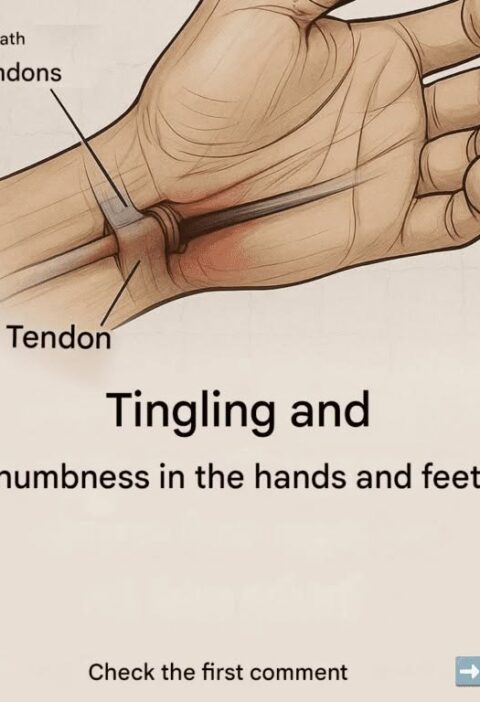
- Tingling, numbness, or “pins and needles”
- Often in the hands or feet; this can happen because B12 is important for nerve function.
- Balance problems or unsteadiness
- Difficulty walking steadily or feeling clumsy.
- Memory or concentration difficulties
- Trouble focusing, forgetfulness, or mental “fog.”
- Mood changes
- Irritability, low mood, or changes in emotional well-being.
- Pale skin or a sore, smooth tongue
- B12 deficiency can contribute to certain types of anemia.
- Shortness of breath or dizziness
- Can occur when anemia is present.
- Vision changes (rare)
- Nerve-related effects can occasionally affect vision.
- Reduced appetite or unexplained weight loss
- Especially when combined with other symptoms.
People at higher risk include:
- Older adults
- People with low intake of animal products (unless using fortified foods or supplements)
- People with absorption problems (such as certain stomach or intestinal disorders)
- Those taking some long-term medications, including certain acid-reducing medicines or Metformin
What to do
A blood test can check B12 levels and related markers. If you suspect deficiency—especially with numbness, weakness, balance problems, or significant fatigue—talk with a healthcare professional rather than relying only on supplements.
If you share your age, diet (vegetarian/non-vegetarian), symptoms, and any medicines you take, I can help identify whether B12 deficiency is a possibility.