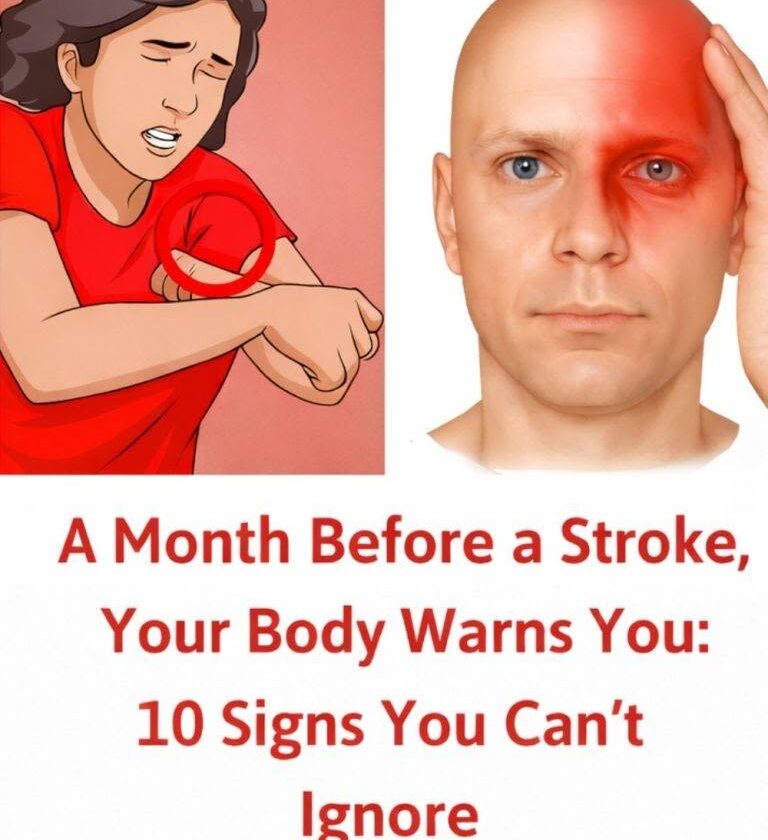
A stroke can sometimes be preceded by warning signs, but there is no reliable “one month before” checklist that predicts a stroke in everyone. Some people have transient ischemic attacks (TIAs)—often called “mini-strokes”—that can occur hours, days, or even longer before a major stroke and should be treated as a medical warning.
Possible warning signs that should not be ignored
- Sudden weakness or numbness
- Especially on one side of the face, arm, or leg.
- Face drooping
- One side of the face may feel weak or look uneven.
- Speech problems
- Slurred speech, difficulty finding words, or trouble understanding others.
- Sudden vision changes
- Loss of vision, blurred vision, or double vision.
- Sudden severe headache
- Especially a “worst headache ever” or a headache with other neurological symptoms.
- Dizziness or loss of balance
- Trouble walking, coordination problems, or sudden unsteadiness.
- Confusion
- Sudden difficulty thinking clearly or recognizing familiar things.
- Trouble swallowing
- New difficulty swallowing or choking episodes can be a neurological warning sign.
- Temporary symptoms that disappear
- Even if weakness, speech problems, or vision changes go away after a few minutes, it may still be a TIA.
- New unusual neurological changes
- Any sudden change in sensation, movement, or mental function deserves attention.
Remember FAST
- F — Face: Is one side drooping?
- A — Arm: Is one arm weak or numb?
- S — Speech: Is speech strange or difficult?
- T — Time: Call emergency services immediately if these occur.
Stroke symptoms usually happen suddenly, not gradually over a month. If you or someone nearby has sudden stroke-like symptoms, seek emergency medical help right away—do not wait to see if they improve.
Risk factors that increase stroke risk include high blood pressure, diabetes, smoking, high cholesterol, irregular heart rhythm (such as Atrial fibrillation), and previous stroke or TIA.