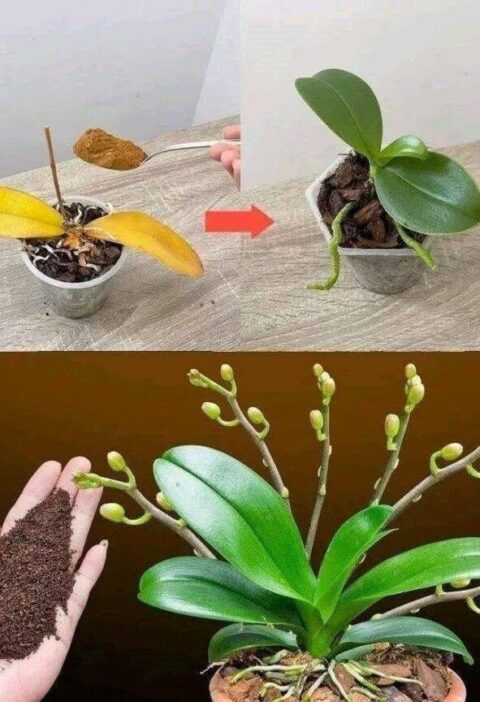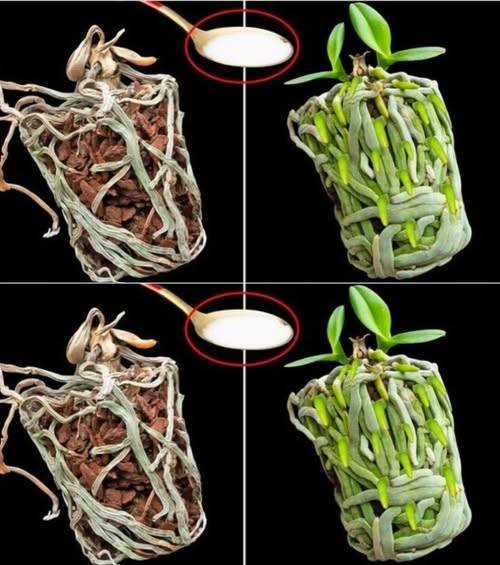
“Just a spoon”
The phrase begins with smallness and simplicity.
A spoon is ordinary, domestic, almost insignificant. Saying “just” minimizes the action even more, suggesting that revival did not require force or grandeur — only a tiny act of care.
The spoon could imply:
- water,
- fertilizer,
- soil,
- medicine,
- or simply attention.
Because it is unspecified, the line becomes symbolic: small kindnesses can trigger renewal.
“the dried orchid”
An orchid is already a delicate, demanding flower associated with rarity and beauty.
Calling it “dried” changes its meaning completely:
- neglected,
- lifeless,
- exhausted,
- close to death.
The image carries emotional weight because orchids are notoriously difficult to revive. The reader assumes loss before the sentence turns.
“fills the pot”
This shifts the scale dramatically.
The orchid does not merely survive — it expands. “Fills” suggests abundance, overflow, reclamation of space.
The pot once held emptiness and decay; now it cannot contain the new growth.
“with new, green roots”
The ending focuses not on flowers, but roots.
That matters because roots are hidden life:
- foundation,
- persistence,
- unseen recovery.
“Green” signals vitality, freshness, rebirth. The recovery is genuine, organic, alive.
Ending on “roots” rather than blossoms avoids sentimentality. Flowers are temporary and visible; roots suggest lasting restoration beneath the surface.
Overall effect
The line expresses:
- regeneration after neglect,
- the power of small acts,
- quiet resilience,
- healing that begins invisibly.
It reads almost like a metaphor for a person recovering emotionally: one small gesture of care revives what seemed beyond saving.