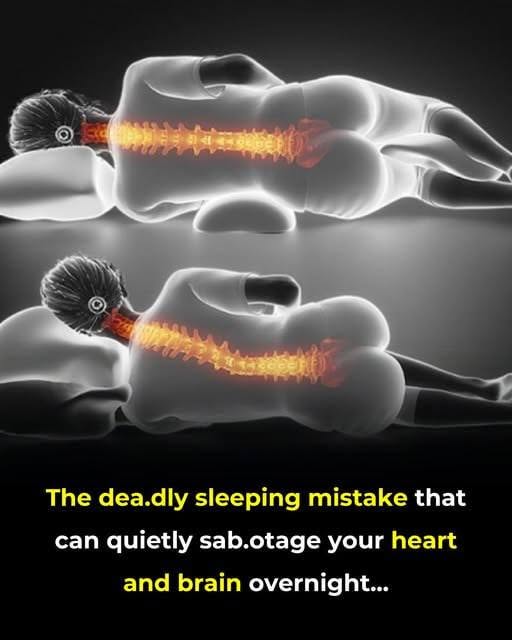
The headline “This Sleep Mistake Could Impact Your Heart and Brain Without You Realizing It” is often used for health articles about poor sleep habits. One of the most commonly discussed “mistakes” is not getting enough quality sleep or having an irregular sleep schedule.
Poor sleep may affect the body in several ways:
- Heart health: Chronic short sleep or disrupted sleep has been linked with higher risks of high blood pressure, heart disease, and problems with blood sugar regulation.
- Brain function: Lack of sleep can impair memory, concentration, mood, and decision-making.
- Stress hormones: Poor sleep can increase stress responses and inflammation, which may affect overall health.
- Metabolism: Irregular or insufficient sleep can influence appetite hormones and insulin sensitivity.
Other sleep habits that may matter include:
- Sleeping at inconsistent times every day
- Ignoring loud snoring or gasping during sleep (possible signs of Obstructive sleep apnea)
- Using bright screens right before bed
- Drinking alcohol close to bedtime
- Sleeping too little or excessively
Healthy sleep habits include aiming for a consistent schedule, creating a dark and comfortable sleep environment, limiting stimulants late in the day, and seeking medical advice if you have persistent insomnia, loud snoring, or daytime exhaustion.
A single poor night of sleep usually isn’t dangerous; the concern is ongoing sleep problems over weeks, months, or years.