Amlodipine is a commonly prescribed medicine used to treat high blood pressure and some types of chest pain (angina). It is generally well tolerated, but certain habits and combinations can increase side effects or reduce how well it works.
Here are 12 things to be cautious about while taking amlodipine:
- Do not stop it suddenly without medical advice
- Your blood pressure may rise again, increasing the risk of complications.
- Avoid excessive alcohol
- Alcohol can add to amlodipine’s blood-pressure-lowering effect and may increase dizziness or lightheadedness.
- Be careful when standing up quickly
- Amlodipine can sometimes cause dizziness, especially when first starting or after a dose change.
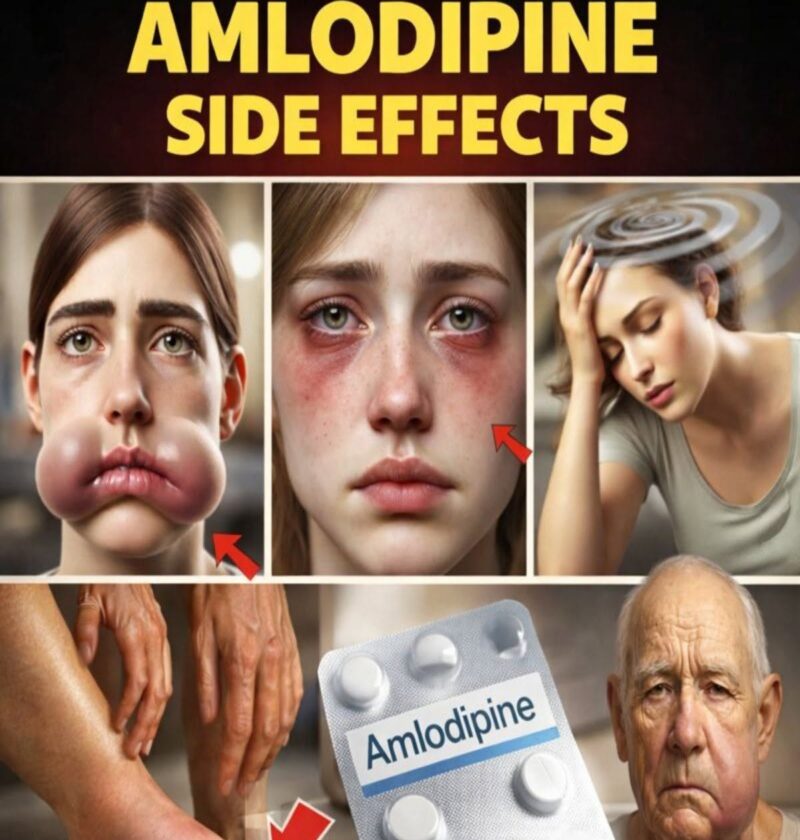
- Do not ignore ankle or foot swelling
- Swelling (edema) is a known side effect. Tell your healthcare professional if it is persistent, severe, or uncomfortable.
- Avoid taking more than prescribed
- Extra doses can cause dangerously low blood pressure and other problems.
- Tell your doctor about all medicines and supplements
- Some drugs can interact with blood pressure medicines or affect side effects.
- Be cautious with grapefruit
- Unlike some other calcium channel blockers, amlodipine is not strongly affected by grapefruit for most people, but if you consume large amounts or take other medicines, ask your healthcare professional.
- Do not neglect blood pressure monitoring
- Regular checks help determine whether the dose is working properly.
- Be careful with dehydration
- Illness, heavy sweating, or not drinking enough fluids can increase dizziness in some people.
- Do not ignore unusual symptoms
- Seek medical advice for fainting, severe dizziness, chest pain, or signs of an allergic reaction.
- Tell healthcare providers you take amlodipine
- This is important before starting new medicines or procedures.
- Do not rely on medication alone
- A heart-healthy diet, regular activity, limiting excess salt, and managing weight (when appropriate) can support blood pressure control.
If you take amlodipine, your personal precautions may depend on your dose, age, other medicines, kidney/liver health, and the reason it was prescribed.