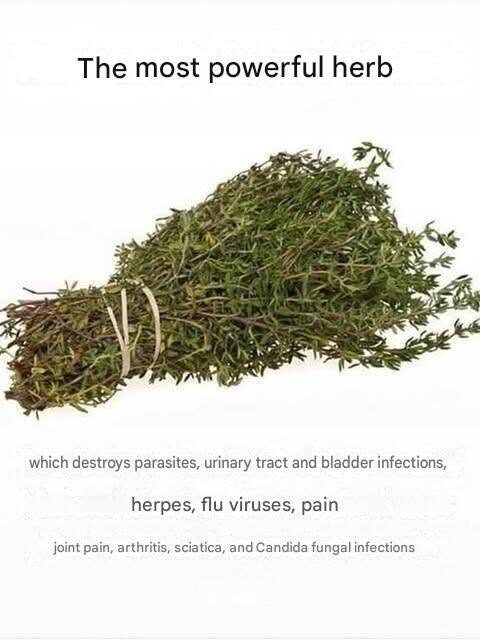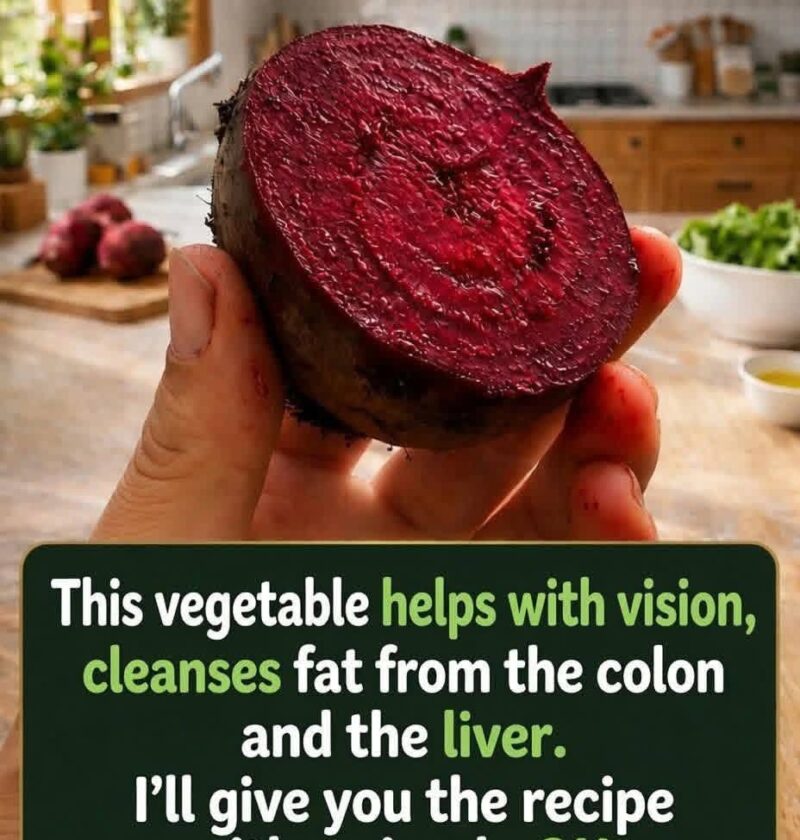
That’s another typical clickbait-style health headline. It sounds like it’s referring to a “miracle vegetable,” but in reality no single vegetable can specifically “target” or cure both eye and liver problems on its own.
What’s likely behind the claim
These posts usually refer to common vegetables that are genuinely healthy, such as:
- carrots (vitamin A for vision support)
- spinach or leafy greens (antioxidants, lutein)
- beetroot or cruciferous vegetables (liver support nutrients)
These foods can support overall eye and liver health, but they do not act like medicine or provide dramatic “special effects.”
What science actually says
- Eye health: nutrients like lutein, zeaxanthin, and vitamin A help reduce risk of vision decline.
- Liver health: a balanced diet rich in vegetables helps the liver function properly, but no vegetable “cleans” or “repairs” it instantly.
- Overall health depends on long-term diet, hydration, sleep, and lifestyle, not one recipe.
Why these posts go viral
They use phrases like:
- “secret vegetable”
- “doctor doesn’t want you to know”
- “step-by-step in comments”
These are designed to increase clicks, not provide accurate medical advice.