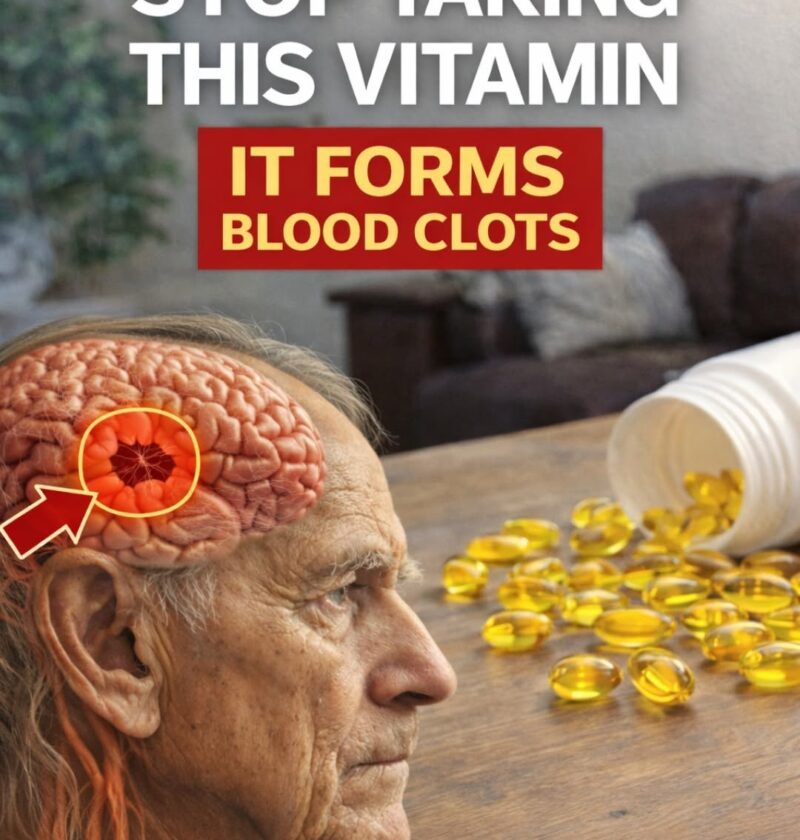
If you’re asking about the headline, it appears to be referring mainly to vitamin B3 (niacin), though similar headlines often exaggerate the risk. (National Institutes of Health (NIH))
The more accurate picture:
- Niacin is an essential vitamin found in foods and is needed for normal energy metabolism. It is not inherently dangerous. (National Institutes of Health (NIH))
- The concern is mostly about high-dose niacin supplements (often hundreds or thousands of milligrams, such as those once used to treat cholesterol). Research has found that certain breakdown products of excess niacin were associated with higher cardiovascular risk, including stroke-related events, but this does not mean normal dietary intake causes strokes. (National Institutes of Health (NIH))
- Some newer research has also found associations between adequate intake of several B vitamins and lower stroke risk, showing that the relationship is complex rather than “vitamin = stroke.” (ScienceDirect)
For seniors, the practical takeaway is:
- Avoid taking high-dose vitamin supplements without a clinician’s advice.
- Check labels for the amount of niacin (vitamin B3) in multivitamins or “heart health” supplements.
- Ask a healthcare professional before using supplements if taking blood thinners, cholesterol medicines, or multiple medications.
If you want, I can also break down whether the headline’s claims about vitamin D, B12, B6, or vitamin E and stroke risk are true or misleading.