Keto Diet Plan for Beginners: Step-by-Step Guide
A ketogenic (keto) diet is a very low-carbohydrate, high-fat, moderate-protein eating plan designed to shift your body into ketosis, a state where it primarily burns fat for fuel instead of carbohydrates.
Step 1: Understand the Basic Keto Macros
A typical keto diet consists of:
- 70–75% of calories from fat
- 20–25% from protein
- 5–10% from carbohydrates
For most beginners, this means:
- Keep net carbs below 20–50 grams per day
- Eat moderate amounts of protein
- Get the rest of your calories from healthy fats
Step 2: Know What to Eat
Healthy Fats
- Olive oil
- Butter or ghee
- Coconut oil
- Avocados
- Nuts and seeds
- Cheese
Protein Sources
- Eggs
- Chicken
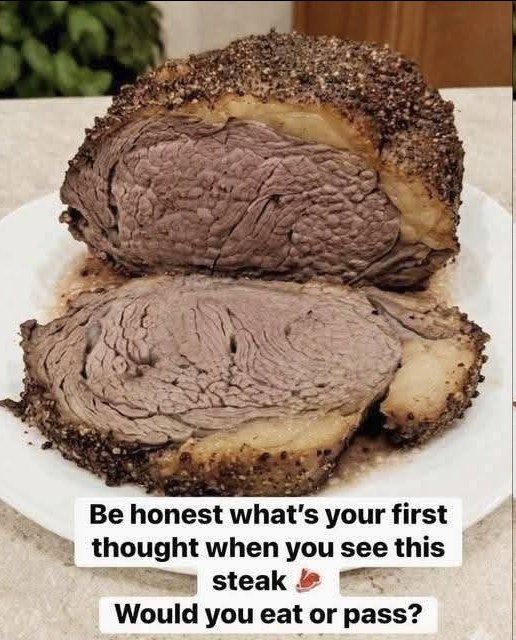
- Beef
- Fish
- Lamb
- Turkey
Low-Carb Vegetables
- Spinach
- Lettuce
- Cucumber
- Cauliflower
- Broccoli
- Zucchini
- Bell peppers
Drinks
- Water
- Black coffee
- Unsweetened tea
- Sparkling water
Step 3: Avoid These Foods
- Sugar and sweets
- Soft drinks and fruit juices
- Bread, rice, pasta, and noodles
- Cakes, cookies, and pastries
- Most breakfast cereals
- Potatoes and other starchy vegetables
- High-sugar fruits (mangoes, bananas, grapes)
Step 4: Beginner 7-Day Keto Meal Plan
Day 1
Breakfast: 2–3 eggs cooked in butter, cucumber slices
Lunch: Grilled chicken salad with olive oil
Dinner: Fish with sautéed spinach
Day 2
Breakfast: Omelet with cheese and vegetables
Lunch: Beef kebabs with salad
Dinner: Chicken cooked in butter with cauliflower
Day 3
Breakfast: Full-fat yogurt (unsweetened) with a few nuts
Lunch: Tuna salad with olive oil
Dinner: Grilled beef and broccoli
Day 4
Breakfast: Scrambled eggs with cheese
Lunch: Chicken salad with avocado
Dinner: Fish with mixed low-carb vegetables
Day 5
Breakfast: Boiled eggs and olives
Lunch: Beef mince with vegetables
Dinner: Chicken curry (without potatoes or flour)
Day 6
Breakfast: Cheese omelet
Lunch: Grilled fish salad
Dinner: Beef steak with cauliflower mash
Day 7
Breakfast: Eggs and avocado
Lunch: Chicken and vegetable stir-fry
Dinner: Lamb with salad
Step 5: Manage “Keto Flu”
Some people experience temporary symptoms during the first week:
- Headache
- Fatigue
- Dizziness
- Irritability
To reduce these:
- Drink plenty of water
- Get enough sodium (salt), potassium, and magnesium
- Don’t drastically cut calories
- Sleep 7–9 hours per night
Step 6: Sample Shopping List
Proteins
- Eggs
- Chicken
- Beef
- Fish
- Mutton
Fats
- Olive oil
- Butter
- Ghee
- Avocados
Vegetables
- Spinach
- Cauliflower
- Broccoli
- Cucumbers
- Lettuce
Snacks
- Almonds
- Walnuts
- Cheese
- Olives
Step 7: Track Your Progress
Focus on:
- Energy levels
- Hunger control
- Waist measurements
- Weight trends over several weeks
Weight often drops quickly during the first 1–2 weeks due to water loss, followed by a slower, steadier rate of fat loss.
Important Considerations
A keto diet is not appropriate for everyone. If you have conditions such as Type 1 Diabetes, kidney disease, liver disease, are pregnant, or take medications for blood sugar or blood pressure, consult a healthcare professional before starting.
For many beginners, a sustainable approach is to start by eliminating sugary foods and refined grains, then gradually reduce carbohydrates over 1–2 weeks rather than making an abrupt change. This often makes the transition easier and improves long-term adherence.